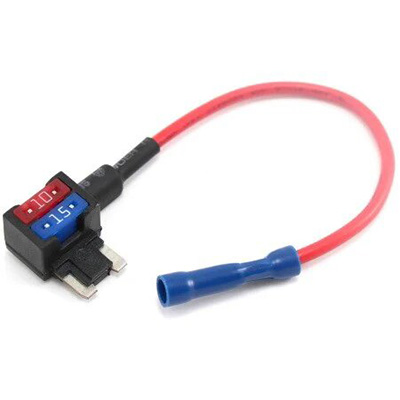
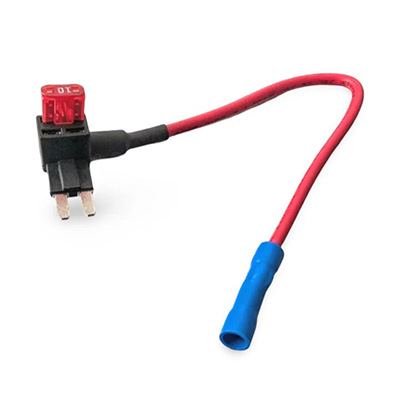
Advanced Automotive Fuse Box Sensor Technology for Circuit Monitoring
News 2025-10-31
Automotive fuse box sensors with smart monitoring capabilities are transforming how electrical circuits are managed in vehicles. These sensors integrate advanced technology to detect anomalies in real-time, enhancing safety and efficiency. As vehicles become more electrified and complex, such systems play a crucial role in preventing electrical failures, reducing downtime, and ensuring reliable performance. This technology not only safeguards critical components but also supports diagnostic processes, making it indispensable for modern automotive engineering.

Applications in Vehicle Electrical Systems
In various automotive contexts, smart fuse box sensors monitor circuits in electric vehicles (EVs), hybrid models, and traditional combustion engines. For instance, they are essential in EVs for overseeing high-voltage systems, where they detect overloads or short circuits to prevent fires or component damage. In commercial fleets, these sensors help track electrical health during long hauls, improving maintenance schedules and operational uptime. Additionally, in smart city infrastructure, they integrate with IoT networks to optimize energy use in autonomous vehicles, demonstrating versatility across different scenarios.
Performance Benefits of Smart Monitoring
Smart monitoring systems offer significant advantages, including precise fault detection through sensors that measure current, voltage, and temperature. This leads to faster response times, with automatic alerts that minimize risks compared to traditional fuses. The technology also enhances durability by reducing wear on electrical components, extending vehicle lifespan. Moreover, data analytics from these sensors provide insights for predictive maintenance, helping manufacturers and users achieve cost savings and higher reliability in demanding environments.
Frequently Asked Questions
1. What are automotive fuse box sensors?
Automotive fuse box sensors are devices that monitor electrical flow and detect issues like overloads in a vehicle’s fuse box.
2. How do smart monitoring features work?
They use embedded algorithms to analyze data in real-time and trigger warnings or shutdowns to protect circuits from damage.
3. What benefits do they provide in vehicles?
They improve safety, reduce maintenance costs, and enhance the longevity of electrical systems by preventing failures.