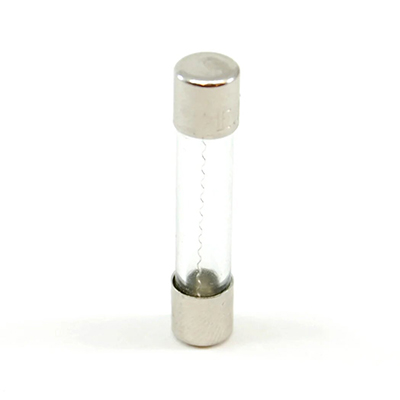
Aftermarket Fuse Cost-Effective Alternative Maintains Strong Circuit Protection Performance
News 2025-11-17
Aftermarket fuse cost-effective alternative maintains reliable circuit protection
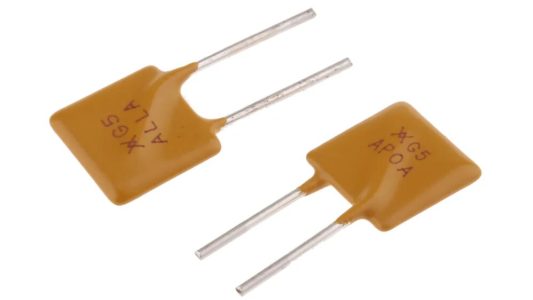
Application scenarios in modern electrical systems
Aftermarket fuses are now widely adopted in automotive service centers, industrial control cabinets, photovoltaic combiner boxes, and consumer power supplies. In vehicles, they safeguard lighting, infotainment units, and auxiliary loads where frequent upgrades and retrofits demand affordable protection options. In factory automation, aftermarket fuse alternatives protect motor drives, PLC I/O lines, and low-voltage distribution rails exposed to switching surges. Solar string junction boxes and small-scale energy storage systems use them to interrupt fault currents and prevent localized overheating. Across these scenarios, the key requirement is consistent time-current behavior so that circuit designers can predict response during inrush conditions, short circuits, or overloads.
Performance characteristics and safety compliance
A cost-effective aftermarket fuse must meet stringent standards such as UL, IEC, or automotive AEC requirements, even when priced below branded originals. Critical parameters include rated voltage, interrupting capacity, temperature rise, and long-term stability under repetitive cycling. High-purity fuse elements and accurately calibrated necking geometry enable controlled melting during fault events while minimizing nuisance opening during brief transients. Low contact resistance and robust end caps reduce power loss and prevent hotspots on printed circuit boards or fuse holders. Third-party type testing, batch traceability codes, and RoHS-compliant materials further support quality assurance programs in professional repair and production environments.
Cost advantages without sacrificing protection
The main attraction of aftermarket fuse alternatives is reduced total cost of ownership in maintenance operations and mid-volume manufacturing. Lower unit price simplifies inventory planning, allowing distributors and OEMs to stock a wider current range to match diverse applications. When engineering teams keep electrical ratings and physical footprints aligned with legacy parts, drop-in replacement becomes straightforward, avoiding redesign of PCB footprints or harness layouts. Consistent pre-arcing I²t values help maintain coordination with upstream circuit breakers and downstream loads, which preserves selectivity and limits collateral damage during faults. Over time, such balance between pricing and stable performance supports competitive product positioning and shorter service lead times.
Selection considerations and integration tips
Engineers choosing an aftermarket fuse alternative should evaluate actual operating profiles rather than relying solely on nameplate current ratings. Key checks include ambient temperature inside enclosures, surge characteristics of switching power supplies, and potential mechanical shock in harsh environments. Matching case size, mounting style, and solderability parameters ensures smooth integration on both automated SMT lines and manual assembly benches. Technical documentation providing detailed time-current curves and derating graphs simplifies simulation, allowing accurate modeling of protection behavior in worst-case conditions. When combined with proper holder design, clear labeling, and regular inspection routines, these fuses support dependable field performance across automotive, industrial, and renewable energy applications.
Common questions on aftermarket fuse alternatives
1. Can aftermarket fuses replace OEM parts directly?
When electrical ratings, dimensions, and safety approvals match the original part, an aftermarket fuse can typically be used as a direct replacement, but engineers should verify time-current curves to maintain coordination.
2. How do they support cost reduction in production?
By offering lower price points and stable availability, aftermarket fuses reduce per-unit protection cost and simplify stocking strategies, which helps manufacturers control BOM expenses in high-mix product lines.
3. Are they suitable for automotive and renewable energy use?
Many aftermarket fuse alternatives are qualified for harsh thermal and electrical conditions, making them suitable for in-vehicle circuits and solar or battery systems when certified according to relevant industry standards.