Audio fuse technologies that protect car stereo performance against damaging power surges
News 2025-11-17
Automotive audio systems are increasingly complex, combining digital head units, multi-channel amplifiers, DSP processors, and sensitive loudspeakers into a tightly integrated network. As vehicle power architectures evolve, these components face fluctuating supply voltages, transient spikes, and load dump events that can instantly damage semiconductors and degrade system reliability. Audio fuses engineered for 12 V and 24 V platforms form a key protection layer, preventing catastrophic failure of car stereos and sound systems when overcurrent or short-circuit conditions occur, while preserving consistent sound quality over the vehicle lifetime.
Key protection role in modern in-vehicle audio
Automotive audio fuses sit between the vehicle battery or distribution bus and the head unit, external amplifiers, and powered subwoofers. They sense abnormal current conditions triggered by faulty wiring, damaged speakers, or internal amplifier defects, and interrupt the circuit before conductors overheat or PCB traces burn. In infotainment domains that integrate Bluetooth, navigation, and telematics, a properly selected audio fuse prevents a single fault from propagating into the broader electrical system. By coordinating fuse ratings with amplifier peak current, inrush characteristics, and wiring gauge, designers ensure stable operation during high-volume playback and cold crank events while still guaranteeing fast interruption during genuine faults.
Performance advantages and electrical characteristics
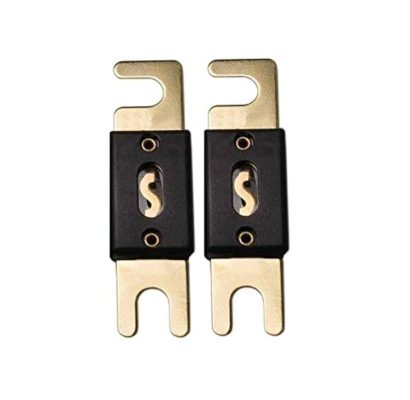
Dedicated audio and automotive fuses deliver tight tolerance on current rating, low resistance, and carefully defined I²t characteristics, enabling predictable protection of sensitive audio electronics. Low internal resistance reduces voltage drop under load, which helps maintain amplifier headroom and minimizes distortion when driving low-impedance speakers at high power. Time-delay (slow-blow) variants handle inrush currents from large filter capacitors without nuisance opening, while fast-acting types protect delicate preamp and DSP stages from even brief short-circuit events. Devices must satisfy automotive temperature ranges, vibration profiles, and AEC-Q200 or similar qualification, ensuring stable behavior under engine compartment heat, dashboard vibration, and long-term cycling.
Application scenarios in car stereo and sound system design
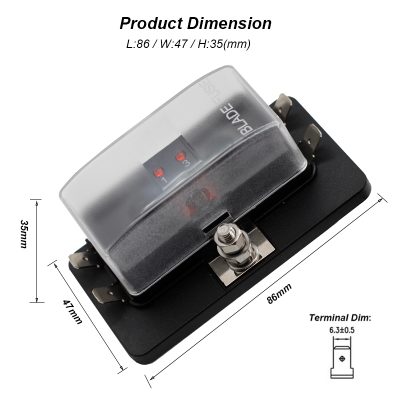
Typical applications replace generic blade fuses in the main audio power feed with purpose-chosen fuse types tuned to amplifier power class and cable length. Multi-amp installations often use individual fused feeds from a distribution block, segmenting risk so a failure in a subwoofer channel does not silence the entire system. OEM platforms may combine fuses with PTC resettable devices and MOSFET high-side switches to create coordinated protection and soft-start behavior. In premium vehicles, high-channel-count Class-D amplifiers, active noise control modules, and rear-seat entertainment units all depend on fuse protection that limits service costs and prevents warranty returns resulting from shorted speaker lines or water ingress into door harnesses.
Selection factors and integration best practices
When selecting audio fuses, engineers evaluate nominal system voltage, amplifier RMS and peak power, cable gauge, and ambient temperature near the installation location. Proper derating under elevated temperature ensures the fuse does not run near its melting point during normal playback. Coordination with upstream battery fuses and downstream electronic protection avoids unwanted cascading trips and simplifies fault diagnostics for service technicians. Clear labeling, accessible locations, and documentation within service manuals support quick replacement while minimizing vehicle downtime. By combining simulation of worst-case short-circuit currents and physical testing under surge conditions, designers validate that the chosen fuse strategy protects both electronics and wiring harnesses while preserving listening performance.
1. Why is an audio-specific fuse preferable in car stereo systems?
Audio-specific fuses use characteristics optimized for amplifier inrush, continuous high current, and sensitive signal electronics, reducing nuisance openings and protecting components more precisely than generic automotive fuses.
2. Where should the fuse be installed in an aftermarket amplifier setup?
The primary fuse should be placed as close to the vehicle battery as possible on the positive supply cable, with additional fuses allocated to individual amplifiers or distribution blocks to segment protection.
3. How does fuse resistance affect sound quality?
Higher fuse resistance increases voltage drop at high current, which can limit amplifier headroom and impact dynamic range, so low-resistance, properly rated fuses help maintain clean, undistorted audio at elevated listening levels.