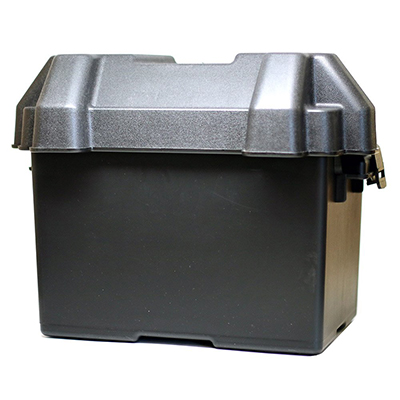
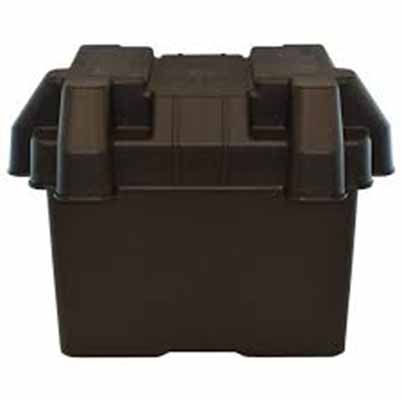
Automotive Battery Box Corrosion Protection for Harsh Saltwater and Humidity Exposure
News 2025-11-17
Modern electric and hybrid vehicles rely on battery enclosures that must survive extreme environments for many years. Road de-icing salts, coastal atmospheres, high humidity, and temperature cycling accelerate corrosion on unprotected battery boxes, threatening safety, lifetime, and warranty targets. Effective corrosion protection solutions must address galvanic interactions between dissimilar metals, seal out conductive saltwater, and maintain performance under vibration, stone impact, and maintenance operations. For OEMs and tier suppliers, the battery box has become a strategic component in achieving long-term durability and stable electrical performance.
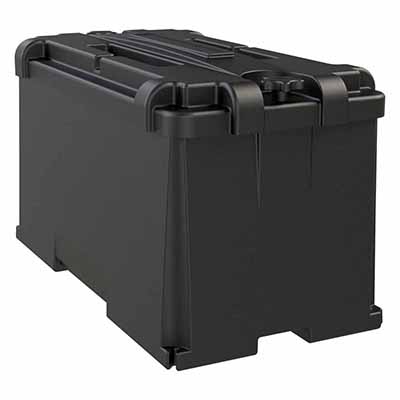
Key application scenarios for battery box protection
Electric vehicles operating in coastal cities, ports, and islands are continuously exposed to airborne chlorides and humid air that condense on the battery enclosure. Fleet vehicles such as taxis, buses, and delivery vans frequently drive through standing saltwater, leading to splash and immersion of the underbody. In colder regions, winter road salt creates concentrated brine that penetrates seams, mounting holes, and cable entries. Off-road and construction equipment expose the battery box to mud, gravel impact, and cyclic wet–dry conditions that accelerate crevice corrosion. These demanding scenarios require materials and coatings that retain adhesion and barrier properties despite mechanical damage, vibration, and frequent thermal cycling from fast charging and high-power operation.
Material selection and protective coating systems
Corrosion-resistant battery boxes typically combine robust base materials with multilayer coating systems. Aluminum alloys, stainless steels, and zinc-magnesium coated steels provide an initial level of protection against saltwater exposure. Epoxy or polyurethane primers improve adhesion and block moisture ingress, while powder coatings or e-coat layers create a continuous barrier film over edges and welds. For plastic or composite housings with metal inserts, compatible primers and sealants prevent galvanic couples at fastening points. Conductive coatings may be added to maintain electromagnetic shielding without sacrificing corrosion resistance. Design features such as well-drained geometries, minimized crevices, and isolated mounting brackets complement the chemical protection to reduce corrosion risk.
Performance benefits under salt, humidity, and vibration
A properly engineered corrosion protection system extends battery box lifetime beyond the vehicle service life, supporting long warranties and stable residual value. Durable coatings reduce structural degradation, preserve sealing surfaces, and prevent perforation that could allow water intrusion to the cells and electronics. Superior protection maintains low contact resistance at grounding points and busbar interfaces, improving electrical efficiency and diagnostic accuracy. Resistance to stone chipping and underbody impact prevents coating damage that might initiate rust. By limiting corrosion products around vents, drains, and cooling interfaces, the system also supports consistent thermal management and fire safety. Validated solutions undergo salt spray, cyclic corrosion, humidity, and vibration testing according to automotive standards to confirm long-term performance.
Integration into manufacturing and maintenance practices
For series production, corrosion protection must be compatible with existing manufacturing processes such as stamping, welding, adhesive bonding, and automated painting. Low-VOC, RoHS-compliant coatings and sealants support environmental regulations and OEM sustainability targets. Precise control of surface preparation, curing conditions, and film thickness ensures reproducible performance across global plants. During service, battery boxes must withstand cleaning agents, workshop fluids, and minor repairs without loss of protective properties. Clear inspection criteria, corrosion monitoring guidelines, and defined rework procedures help service centers detect early damage and maintain protective capability throughout the vehicle life.
1. How does saltwater affect an automotive battery box?
Saltwater creates a conductive film that accelerates electrochemical reactions between metals, leading to pitting, crevice corrosion, and coating undercutting on the battery enclosure.
2. Which tests are used to evaluate corrosion protection?
Typical evaluations include neutral salt spray, cyclic corrosion tests, high-humidity storage, thermal cycling, stone-chip resistance, and combined vibration–corrosion testing.
3. Why is material pairing important in battery box design?
Incorrect pairing of metals can create galvanic cells under salty, humid conditions, drastically increasing corrosion rates at less noble components such as fasteners and mounting brackets.