Automotive Battery Box Drainage Systems for Dry, Stable and Long‑Lasting Power
News 2025-11-17
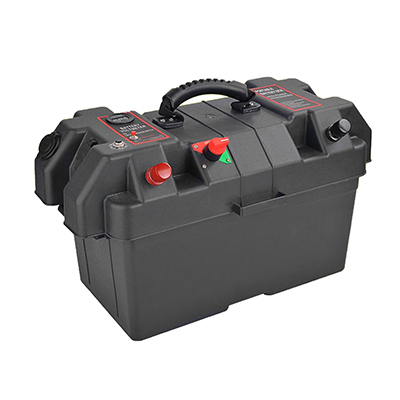
In modern vehicles, the battery box has become a carefully engineered enclosure that protects high‑value energy storage modules from water, dirt, and mechanical impact. As under‑hood and under‑floor layouts grow denser, exposure to rain splash, high‑pressure road spray, and condensation increases. A dedicated drainage system inside the battery box prevents standing water, corrosion, and insulation breakdown, helping maintain consistent performance for 12 V lead‑acid batteries as well as high‑voltage lithium‑ion packs in hybrid and electric vehicles.
Engineering design of the drainage path
An effective battery box drainage system starts with the geometry of the enclosure. Engineers define inclined surfaces, channels, and gutters that collect water and route it away from terminals, busbars, and electronic control units. Drain holes are positioned at the lowest points of the housing, often in diagonally opposed corners to prevent pooling during vehicle acceleration or cornering. To stop reverse splashing, many systems use labyrinth structures, one‑way membranes, or duckbill valves that let liquid escape while blocking ingress. In harsh environments such as off‑road vehicles and commercial trucks, the drainage path is coordinated with shielding elements and underbody covers to resist stones, ice, and road debris.
Materials, sealing strategy, and environmental protection
The drainage concept works together with gaskets, vent plugs, and housing materials. Battery boxes typically use glass‑fiber reinforced polymers, coated steel, or aluminum alloys with corrosion‑resistant finishes. The sealing system keeps dust and bulk water outside, while controlled vents equalize pressure and allow moisture to evaporate. Hydrophobic and oleophobic membranes are frequently integrated in the drainage outlets to maintain IP protection ratings even when subjected to splash water or temporary immersion. For electric vehicle packs, designers evaluate galvanic corrosion between dissimilar metals around the drain area and specify compatible fasteners and coatings, ensuring long service life in salty winter conditions.
Application scenarios in passenger cars and commercial fleets
Drainage solutions are tailored to vehicle segments and installation positions. In compact cars with the battery mounted in the engine bay, the box must handle rapid temperature swings and direct water spray from the front wheels. In premium sedans or SUVs with rear‑mounted or under‑seat batteries, the emphasis shifts to condensation management and noise reduction, demanding quieter drainage components and integrated acoustic insulation. Electric buses, delivery vans, and heavy‑duty trucks rely on large battery trays mounted on the frame rails; these enclosures often use multiple drainage zones with redundant outlets to cope with heavy rain, frequent washing, and long operating hours. For aftermarket and replacement battery boxes, standardized drain interfaces make it easier for workshops to install components that meet OEM sealing and drainage requirements.
Performance advantages and impact on system reliability
A well‑executed drainage system directly improves safety, energy efficiency, and maintenance cycles. By keeping terminals and connectors dry, it reduces leakage currents and minimizes the risk of short circuits, especially in high‑voltage systems where creepage distances are critical. Stable environmental conditions inside the box help preserve electrolyte integrity and slow down sulfation or degradation of cell materials. The result is longer battery life, more consistent cold‑start performance, and fewer unexpected breakdowns. Fleet operators benefit from extended service intervals and lower total cost of ownership, while vehicle manufacturers can meet stringent durability tests such as salt‑spray, water‑wading, and high‑pressure cleaning without redesigning the entire electrical architecture.
Integration with sensors and maintenance practices
Modern battery box drainage concepts increasingly integrate diagnostics and sensor interfaces. Water‑presence sensors or moisture‑sensitive strips installed near the lowest points of the housing can trigger onboard alerts or maintenance codes when abnormal water levels occur. This early warning allows workshops to check seals, drain tubes, and protective covers before corrosion or insulation damage spreads. During vehicle service, technicians inspect the drain outlets for clogging caused by mud, leaves, or road tar, and clean them with approved tools to maintain full flow capacity. When developing new vehicle platforms, OEMs involve drainage specialists, materials engineers, and electronics designers from the earliest design stages so that the drainage system supports thermal management, EMC performance, and packaging constraints without compromise.
1. Why is a battery box drainage system required?
It removes accumulated water and moisture from the enclosure, protecting terminals, connectors, and electronic components from corrosion, short circuits, and reduced insulation performance.
2. Where are drainage outlets typically located?
They are generally placed at the lowest points of the battery box, often in opposite corners, ensuring water can escape under different vehicle inclinations and driving maneuvers.
3. How does drainage support electric vehicle battery packs?
It keeps high‑voltage modules dry, maintaining insulation resistance, enabling stable long‑term capacity, and helping packs pass rigorous durability, splash, and contamination tests demanded by automotive standards.