Automotive Battery Box UV-Resistant Coating Resists Fading and Cracking in Harsh Conditions
News 2025-11-17
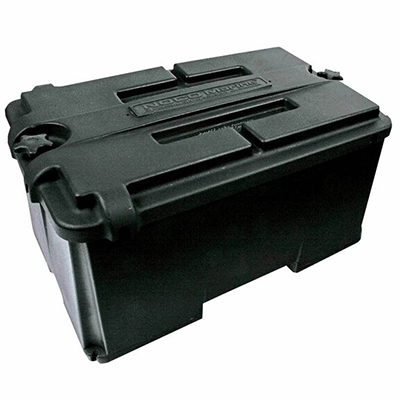
Automotive battery boxes operate in demanding environments where heat, moisture, road debris, and intense sunlight converge. Without adequate surface protection, plastic and metal enclosures can discolor, embrittle, and lose mechanical integrity over time. A dedicated UV-resistant coating forms a durable barrier that maintains color stability, surface gloss, and structural performance across long service cycles. For electric vehicles, hybrids, and start-stop systems, this protection directly supports safety, functional reliability, and long-term brand image for OEMs and tier suppliers.
Key Application Scenarios in Modern Vehicles
Battery box UV-resistant coatings are designed for underbody enclosures, engine bay housings, trunk-mounted packs, and external auxiliary power units. In EV platforms, large battery trays exposed to airflow and underside splash benefit from coatings that resist stone chipping and UV radiation reflected from the road surface. Commercial vehicles and buses with rooftop battery modules demand high UV stability due to direct sunlight exposure. Off-highway machinery, forklifts, and energy storage cabinets in outdoor parking or charging stations also rely on these coatings to maintain legible safety markings and prevent material degradation, supporting regulatory compliance and reduced maintenance.
Performance Advantages Against Fading and Cracking
The core advantage of UV-resistant coating lies in its ability to block and dissipate harmful ultraviolet energy before it penetrates the substrate. Stabilized polymer binders combined with UV absorbers and light stabilizers limit color shift, chalking, and surface embrittlement. This greatly reduces microcracking, which can propagate into larger fractures under vibration and thermal cycling. High crosslink density provides scratch and chip resistance, while maintaining flexibility so the coating moves with the battery box during mechanical stress. The result is a finish that retains gloss, blackness or gray tone, and protective function after thousands of hours of accelerated weathering and real-road exposure.
Material Compatibility and Process Integration
Modern UV-resistant systems are engineered for substrates such as polypropylene, glass-filled nylon, aluminum, and galvanized steel. Good adhesion and controlled film thickness ensure strong edge coverage around bends, mounting flanges, and fastener points. Coatings can be applied by spray, dip, or automated robotic systems, integrating smoothly with existing OEM paint shops. Low-VOC, waterborne, or high-solids formulations help manufacturers meet environmental regulations while maintaining fast curing and consistent film properties. For high-volume production, UV-curable topcoats offer short cycle times and stable quality metrics, supporting lean manufacturing and stringent automotive quality standards.
Durability, Testing, and Life-Cycle Benefits
To validate performance, UV-resistant coatings undergo salt spray, stone-chip, thermal shock, and xenon-arc weathering tests that simulate years of outdoor service. Stable adhesion, absence of blistering, and minimal gloss loss translate into reduced repainting, fewer warranty claims, and higher perceived quality of the vehicle’s energy system. By preventing cracking, the coating helps shield the battery enclosure from moisture ingress and corrosion, which supports safe operation of high-voltage components. Over the life of the vehicle, robust UV protection contributes to lower total cost of ownership for fleet operators and enhanced resale value.
1. How does UV-resistant coating prevent battery box fading?
It uses UV absorbers and stabilizers to block damaging radiation, preserving original color and gloss even under long-term sunlight exposure.
2. Can the same coating be used on plastic and metal battery boxes?
Yes, many formulations are tuned for multi-substrate adhesion, protecting polypropylene housings, aluminum trays, and steel brackets with one coating system.
3. Why is UV resistance important for electric vehicle battery enclosures?
Strong UV resistance maintains mechanical integrity, limits cracking and surface degradation, and supports safe, long-lasting protection of high-energy battery packs.