Automotive Battery Box Weather-Resistant Construction Suits Demanding Year-Round Use
News 2025-11-17
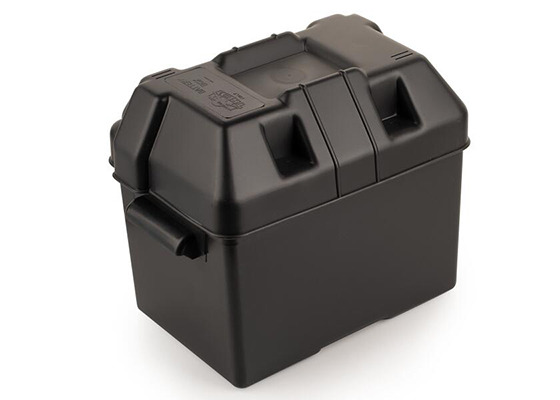
Automotive battery box weather-resistant construction suits year-round use by protecting high-value electrochemical systems from moisture, dust, salt spray, and temperature cycling. In passenger cars, commercial fleets, construction machinery, and new energy vehicles, the enclosure determines how well the battery maintains performance across hot summers and freezing winters. A well-designed housing limits thermal shock, blocks corrosive contaminants, and supports stable electrical connections, extending service life and reducing unplanned downtime. For OEMs and system integrators, a robust battery box becomes a key factor in meeting warranty targets, safety regulations, and customer expectations for dependable operation.
Weather-Resistant Structural Design
The core of year-round performance lies in the mechanical structure of the battery box. UV-stabilized polymers, coated steels, and aluminum alloys are selected to withstand long-term exposure to road debris, humidity, and temperature swings without cracking or warping. Reinforced ribs and optimized wall thickness increase torsional rigidity, helping the box tolerate vibration on rough roads and off-highway applications. Precision-molded sealing grooves allow uniform compression of gaskets, while integrated cable glands and strain reliefs secure high-current conductors. These structural features maintain enclosure integrity over thousands of operating hours, even when mounted underbody or near the wheel well where splash and impact loads are severe.
Sealing Performance and Environmental Protection
To achieve strong environmental protection, weather-resistant battery boxes rely on multilayer sealing strategies. High-grade EPDM or silicone gaskets provide durable IP-rated protection against water jets and airborne dust. Corrosion-resistant fasteners and surface treatments help the enclosure resist road salt and industrial pollutants, preventing leakage paths from forming over time. Pressure equalization vents with hydrophobic membranes mitigate condensation while blocking liquid water. This combination keeps electrolyte, busbars, and monitoring electronics isolated from contaminants, directly supporting stable internal resistance and accurate sensing performance. As a result, batteries deliver consistent cold-cranking ability and cycle life in both coastal climates and arid regions.
Thermal Management and Year-Round Application Scenarios
Effective thermal behavior is equally important for year-round use. Many weather-resistant battery boxes support integrated insulation layers, heat spreaders, or liquid-cooling plates to keep cell temperatures within an optimal window. In electric buses, delivery vans, and AGVs operating in stop-and-go duty cycles, such thermal measures limit capacity loss under heat stress. In cold regions, the box can incorporate heater interfaces or routing for warm coolant, enhancing low-temperature charge acceptance. Fleet operators benefit from consistent start performance for diesel trucks on winter mornings, while urban EVs maintain range in peak summer traffic. For harsh industrial sites, including mining, ports, and logistics hubs, rugged enclosures protect batteries that power lifting equipment, automatic guided carts, and backup systems for control electronics.
Electrical Safety, Integration, and Maintenance Benefits
Weather-resistant battery boxes are engineered for safe integration into complex electrical architectures. Dedicated mounting points for fuses, contactors, and current sensors help shorten cable runs and reduce parasitic losses. Flame-retardant materials and controlled venting zones help manage rare fault events such as internal short circuits or thermal runaway. Clear labeling, standardized connector interfaces, and hinged or removable covers allow fast inspection and replacement, minimizing vehicle downtime. For OEM engineering teams, modular enclosure platforms simplify platform sharing across different vehicle models, while maintaining compliance with automotive and industrial standards. Over the vehicle lifetime, this combination of protection, safety, and maintainability supports lower total cost of ownership and higher uptime.
1. What are typical applications for weather-resistant automotive battery boxes?
They are widely used in passenger cars, commercial trucks, electric buses, off-highway machinery, logistics vehicles, and stationary backup units that must operate reliably in outdoor or semi-outdoor environments.
2. How does the enclosure improve battery lifespan?
By blocking water, dust, and corrosive spray, and by stabilizing temperature and vibration levels, the enclosure reduces mechanical and electrochemical stress, which helps the battery retain capacity and reduces failure rates.
3. Which features should engineers prioritize when selecting a battery box?
Key features include strong sealing with appropriate IP ratings, corrosion-resistant materials, proven thermal management options, secure cable interfaces, and a structure that can withstand the specific vibration and impact profile of the target vehicle or equipment.