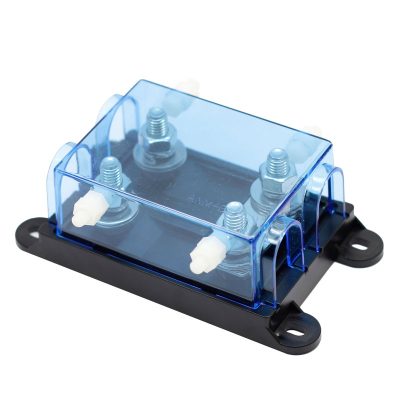
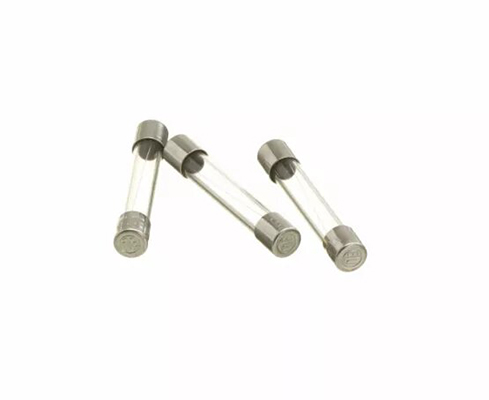
Automotive Fuse Box Conductors for High-Efficiency Current Transmission
News 2025-10-31
Automotive fuse box conductors are essential components in vehicle electrical systems, designed to facilitate efficient current transmission while safeguarding against overloads and short circuits. These parts are engineered with advanced materials to minimize energy loss and enhance overall system performance. As vehicles become more electrified and complex, the role of high-efficiency conductors has grown, ensuring reliable operation in demanding conditions such as high-speed driving or extreme temperatures. Their integration helps maintain optimal electrical flow, contributing to better fuel efficiency in traditional engines and extended range in electric vehicles.

Design and Material Innovations
Key to their efficiency is the use of high-conductivity metals like copper or specialized alloys, which reduce resistance and heat buildup. Manufacturers employ precision engineering techniques, such as electroplating and compact designs, to create conductors that withstand vibrations and corrosion. This focus on material science allows for higher current densities without compromising safety, making them ideal for modern automotive applications where space and weight are critical factors.
Performance and Reliability Benefits
These conductors offer superior performance through low voltage drop and enhanced thermal stability, leading to reduced wear on connected components. Their ability to handle peak loads efficiently improves system longevity and reduces maintenance needs. In testing, they demonstrate consistent performance across a wide temperature range, ensuring reliability in diverse environments from urban commutes to off-road adventures.
Practical Applications in Vehicles
In practical terms, these conductors are vital in areas like power distribution networks, battery management systems, and auxiliary circuits. For example, in electric vehicles, they enable seamless energy transfer between high-voltage batteries and drive motors, optimizing energy use. Similarly, in conventional cars, they protect sensitive electronics in infotainment and safety systems, adapting to the increasing electrification trend and supporting features like advanced driver-assistance systems.
Frequently Asked Questions
1. What materials are commonly used in these conductors?
They are typically made from copper or aluminum alloys for their excellent conductivity and durability.
2. How do they contribute to energy efficiency?
By minimizing resistance, they reduce energy loss as heat, which improves overall vehicle efficiency and range.
3. Are they suitable for all vehicle types?
Yes, they are versatile and can be adapted for use in cars, trucks, and electric vehicles to meet specific electrical demands.