Automotive Glass Fuse for Car Cooling Fan Circuits
News 2025-10-27
Automotive glass fuses are critical components in vehicle electrical systems, particularly for protecting circuits like those powering cooling fans. These fuses act as safeguards against overcurrent, ensuring that the cooling system operates reliably without risking damage from electrical faults. In modern cars, the cooling fan circuit is essential for maintaining engine temperature, and a properly rated glass fuse prevents overheating or failure by interrupting excessive current flow. Understanding the role of these fuses helps in maintaining vehicle performance and longevity.
Applications in Automotive Cooling Systems
Glass fuses are widely used in automotive cooling fan circuits due to their compact size and fast response times. In scenarios where the engine generates high heat, such as during traffic jams or hot weather, the cooling fan must activate promptly. These fuses protect the fan motor and associated wiring from short circuits or overloads, which could otherwise lead to fan failure and engine overheating. Their application extends to electric vehicles and hybrid models, where precise circuit protection is vital for energy efficiency and system reliability.
Performance Benefits of Glass Fuses
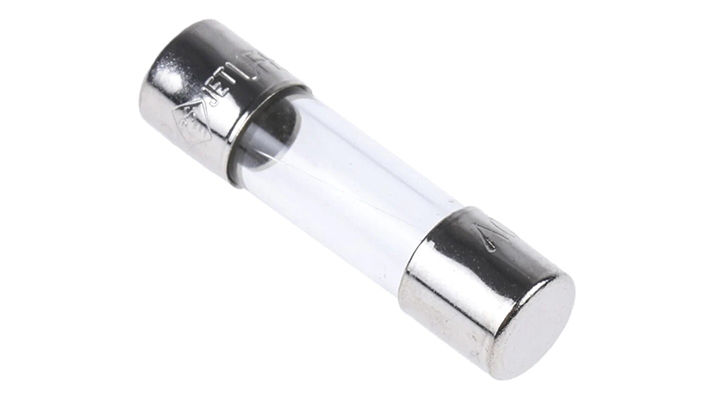
Glass fuses offer several advantages in car cooling fan applications, including high accuracy in current rating and rapid melting characteristics. This ensures quick isolation of faults, minimizing potential damage to sensitive electronics. Their transparency allows for easy visual inspection, enabling drivers or mechanics to identify blown fuses without specialized tools. Additionally, these fuses provide consistent performance across a range of temperatures, making them ideal for automotive environments where heat and vibration are common challenges.
Frequently Asked Questions
1. What current ratings are common for glass fuses in cooling fan circuits?
Answer: Common ratings range from 10A to 30A, depending on the fan’s power needs and vehicle specifications.
2. How does a glass fuse enhance safety in automotive systems?
Answer: It breaks the circuit during overcurrent events, preventing fires or component damage in the cooling system.
3. When is it necessary to replace a glass fuse in a car’s cooling fan?
Answer: Replacement is needed if the fuse is blown, shown by a broken filament, or if electrical issues like fan malfunction occur.