Battery Box Architectures Enabling Auxiliary Power Units in Modern Electric Vehicles
News 2025-11-17
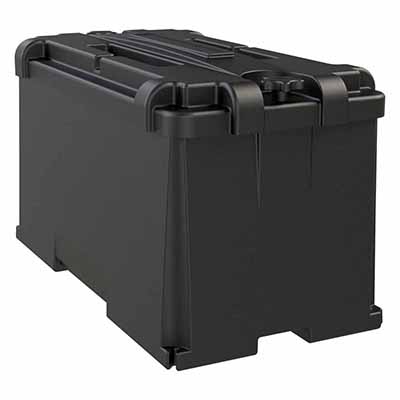
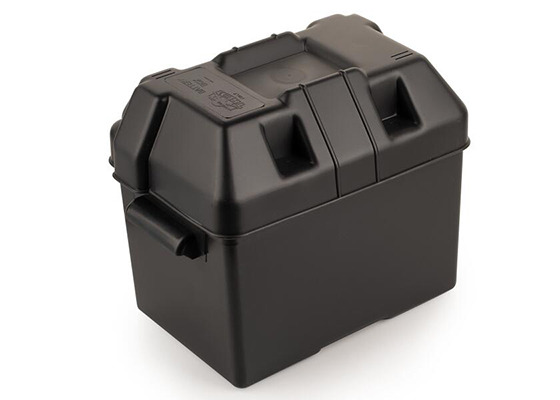
Battery boxes designed for electric vehicles are rapidly evolving from simple protective enclosures into intelligent power management hubs. When engineered to integrate auxiliary power units (APUs), these structures support heating, cooling, power steering, onboard electronics, and emergency loads without compromising traction battery performance. For EV manufacturers and system integrators, the battery box has become a strategic platform where mechanical robustness, thermal stability, and electrical safety converge.
Integrated APU Architecture and Application Scenarios
Battery boxes that house auxiliary power units create a dedicated subsystem for non‑propulsion loads. In passenger cars, APUs support cabin HVAC, infotainment, ADAS sensors, and telematics even when the main drive system is inactive. In commercial trucks and buses, the same architecture powers sleeper cab air conditioning, refrigeration units, liftgates, and depot communication equipment during loading and idling bans. Construction machinery, airport ground support equipment, and municipal service vehicles use APU-enabled battery boxes to operate hydraulic pumps, lighting masts, and diagnostic tools directly from the vehicle energy system, reducing dependence on external generators.
Performance, Safety, and Thermal Management Advantages
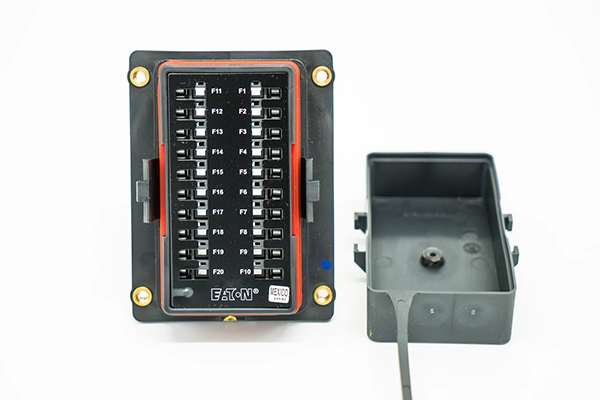
Embedding the APU inside a purpose-built battery box brings clear performance gains. Shorter DC bus paths reduce conduction losses and improve voltage stability under transient loads. Sealed compartments, flame-retardant materials, and integrated fusing limit propagation in case of cell venting or APU failure. Advanced boxes combine liquid cooling plates, phase‑change materials, and temperature sensors to keep both traction cells and APUs within optimal operating windows, maintaining efficiency in extreme climates. Coordinated battery management systems (BMS) monitor state of charge, load profiles, and fault conditions, ensuring the APU never jeopardizes propulsion safety or range.
Design Considerations for EV Engineers and OEMs
From an engineering perspective, battery boxes with APUs must balance mechanical rigidity, ingress protection, and serviceability. High-strength aluminum or composite housings achieve low mass while meeting crash and vibration requirements, especially in underfloor platforms. Modular subracks allow APUs, DC‑DC converters, and protection modules to be swapped without disturbing the main cell array. Connector layout is optimized for high-current paths, low-noise signal lines, and rapid assembly on the production line. Compliance with ISO 26262 functional safety, UN R100, and OEM-specific standards shapes insulation coordination, creepage distances, isolation monitoring, and diagnostic coverage, supporting long-term reliability in fleet operations.
Impact on TCO, Sustainability, and Future Features
Well-designed APU battery boxes contribute directly to lower total cost of ownership. Reduced idling hours and optimized auxiliary power delivery extend battery life and cut maintenance on legacy combustion-based auxiliary systems. Fleet operators gain predictable energy budgets for hotel loads, refrigeration, and work tools, enhancing route planning and uptime. The same platform prepares vehicles for future features such as vehicle-to-load and bidirectional charging, where the APU compartment can host power conversion and protection stages. By consolidating auxiliary power infrastructure inside a robust enclosure, OEMs simplify wiring, streamline diagnostics, and support over-the-air updates for energy management algorithms.
1、How does an APU battery box improve EV range?
Locating auxiliary power units inside the battery box reduces cabling losses, stabilizes thermal conditions, and allows the BMS to prioritize propulsion energy, which helps preserve effective driving range under high auxiliary loads.
2、Which vehicles benefit most from APU-integrated battery boxes?
Long-haul trucks, buses, delivery fleets, specialty off-road vehicles, and airport ground support equipment gain strong benefits because they require continuous auxiliary power even when the traction system is inactive.
3、What standards influence battery box design for APUs?
Designers typically align with ISO 26262, UN R100, electromagnetic compatibility regulations, and OEM-specific electrical safety rules, ensuring that integrated APUs operate safely within the overall high-voltage architecture.