Battery Box Compatible Deep-Cycle Starter Batteries for Versatile Mobile Power Use
News 2025-11-17
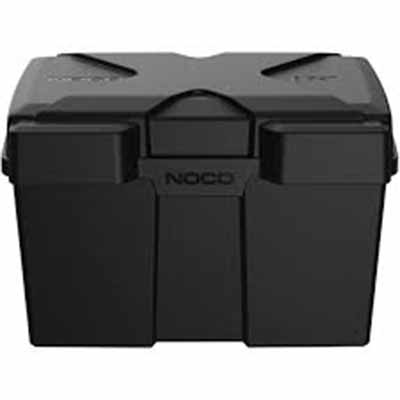
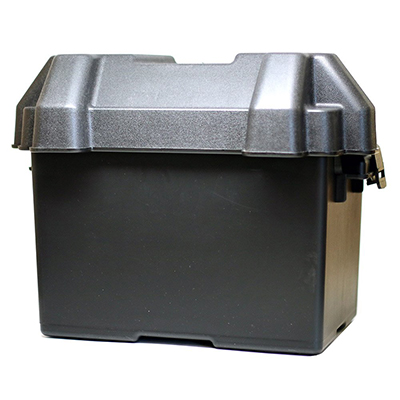
Deep-cycle starter batteries housed in a well‑designed battery box create a robust foundation for mobile and stationary power systems. By combining high cranking capability with sustained deep-discharge performance, these hybrid batteries support both engine starting and long-duration loads in RVs, marine vessels, solar storage, and industrial equipment. A compatible battery box improves safety, mounting flexibility, and environmental protection, which is crucial for demanding operating conditions.
Key Performance Characteristics
Deep-cycle starter batteries deliver strong cold cranking amps for engine ignition while maintaining thick plates and optimized chemistry for repeated charge–discharge cycles. When paired with a box sized to the specific group format, the battery maintains correct terminal spacing, secure hold‑down, and airflow paths. Low internal resistance supports high surge currents for winches, bow thrusters, and inverters, while deep-cycle stability enables steady supply for lighting, pumps, navigation electronics, and communication devices. High cycle life, low self‑discharge, and compatibility with smart chargers make these batteries suitable for continuous service where uptime and predictable performance matter.
Versatile Application Scenarios
A battery box compatible deep-cycle starter battery is widely used in RV house systems, overlanding builds, and camper vans where it must both start the engine and power fridges, inverters, and HVAC controls. In marine applications, it supports dual‑bank configurations, providing cranking power for outboard or inboard engines while feeding fish finders, chartplotters, and audio systems. Off‑grid solar installations deploy these batteries in series or parallel banks, using the box to simplify cable management and protect against dust and moisture. Industrial applications include mobile workstations, small AGVs, backup systems for access control, and field test equipment where compact, transportable DC power is needed.
Advantages of Using a Compatible Battery Box
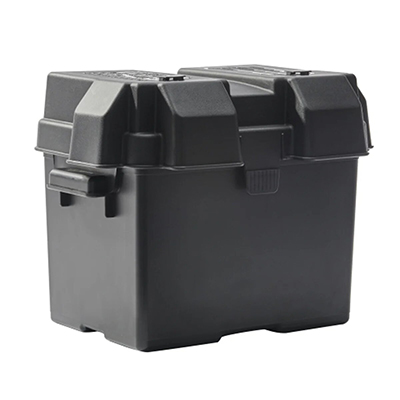
Using a battery box specifically matched to the battery group size improves electrical safety and mechanical integrity. The enclosure shields terminals from accidental short circuits, contains minor leaks, and reduces exposure to vibration and shock. Integrated vent ports help manage gases for flooded designs, while sealed or AGM units benefit from physical protection against impact and UV radiation. Many boxes offer built‑in cable glands, strain relief, and external posts so connections stay secure during transport. Clear labeling areas support maintenance records and compliance markings, which is important for fleet operators and marine survey inspections.
Installation, Maintenance, and System Optimization
For best performance, the battery should be mounted firmly inside the box with all tie‑downs tightened to manufacturer torque recommendations. Cables must be sized to minimize voltage drop, with corrosion‑resistant lugs and heat‑shrink insulation. Regular inspections should include checking state of charge, verifying terminal tightness, and cleaning any buildup on the box vents or external connectors. Pairing the battery with a multi‑stage charger and a battery monitor improves cycle life and helps prevent over‑discharge in solar or RV systems. Integrators should confirm compatibility with DC–DC chargers, MPPT controllers, and inverters to ensure that charge profiles match the deep‑cycle starter specification.
Common Questions
1Can one battery support both starting and house loads?
A high-quality deep-cycle starter battery can crank the engine and power auxiliary loads, as long as capacity is correctly sized and charging is sufficient for daily usage patterns.
2Is a battery box necessary for sealed AGM or GEL batteries?
Yes, a compatible box is still recommended because it protects against impact, moisture, loose tools, and accidental shorts, and it keeps installations compliant with many RV and marine standards.
3How does temperature affect these batteries in a box?
Extreme heat accelerates aging and extreme cold reduces available cranking power; a ventilated, properly located box helps moderate temperature swings and supports more consistent performance.