Battery Box Hybrid Vehicles Specialized Fit Dual Battery Systems For Demanding Loads
News 2025-11-17
Hybrid vehicles are increasingly specified with dual battery systems to support complex electrical and electronic loads. A specialized fit battery box is central to this architecture, providing stable mechanical housing, electrical safety, and thermal protection for both starter and auxiliary batteries. For automotive engineers and system integrators, selecting the correct enclosure directly influences lifecycle cost, vehicle uptime, and compliance with stringent automotive and e-mobility standards.
Key Design Features of Dual Battery Boxes
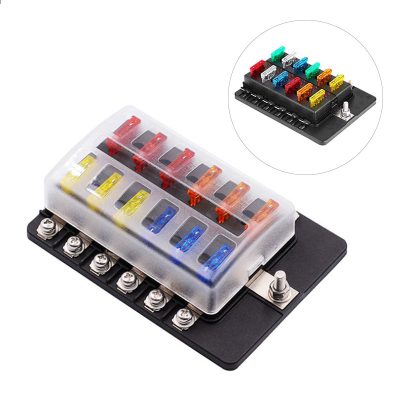
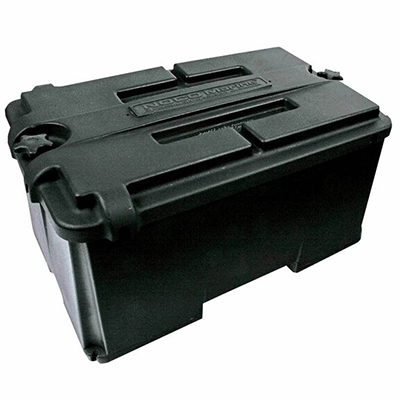
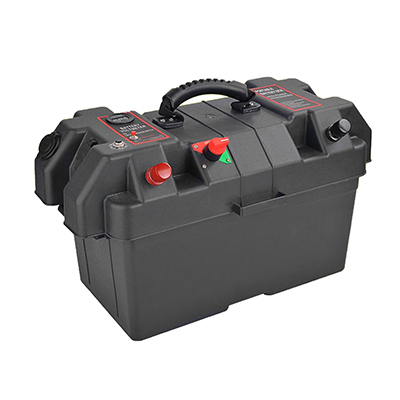
A dual battery box for hybrid vehicles must combine compact packaging with robust protection. Typical designs use reinforced thermoplastic or powder-coated steel with high impact resistance, flame retardant ratings, and ingress protection up to IP65 or higher. Separate compartments or removable trays allow isolation of the starter battery from the high-capacity auxiliary pack used for inverters, DC-DC converters, telematics, and comfort electronics. Integrated cable routing channels, grommeted ports, and strain-relief fixtures maintain low contact resistance and prevent vibration-induced failures. Many enclosures also include built-in fuse mounts, busbars, master disconnect switches, and sensors for temperature and voltage monitoring, helping OEMs meet safety and diagnostic requirements.
Performance Advantages and Electrical Safety
A specialized fit battery box optimizes electrical performance by minimizing conductor length and reducing voltage drop between batteries and power electronics. Rigid mounting points and anti-vibration pads protect cells from mechanical shock, supporting longer cycle life under harsh road conditions. Engineered venting paths and optional active ventilation reduce the risk of gas accumulation in lead-acid installations, while flame-arrestor designs improve safety in fault conditions. Thermal management features, such as reflective inner surfaces, insulation layers, or provisions for liquid-cooled plates, help keep lithium-ion batteries within the recommended operating window, improving charge acceptance and power delivery during high-load events like rapid acceleration or regenerative braking.
Application Scenarios in Hybrid Vehicle Platforms
Dual battery box solutions are widely deployed in mild hybrids, full hybrids, plug-in hybrids, and hybrid commercial vehicles. In passenger cars, the starter battery supports ignition, vehicle control units, and basic 12 V loads, while an auxiliary pack supplies inverters, audio systems, advanced driver assistance sensors, and cabin comfort features. Light trucks and utility hybrids use dual systems to power winches, cranes, air compressors, and off-board tools without compromising starting capacity. Public service fleets and last-mile delivery vans integrate these boxes to support telematics gateways, surveillance cameras, refrigerated cargo compartments, and always-on connectivity modules. The ability to tailor enclosure geometry, mounting brackets, and connector layouts to specific chassis platforms makes specialized fit boxes highly attractive for OEM and aftermarket programs.
Integration, Maintenance, and Lifecycle Considerations
From an integration standpoint, a properly engineered dual battery box shortens installation time and supports modular upgrades. Standardized mounting points, keyed high-current connectors, and clearly labeled service access panels reduce human error during assembly and field maintenance. Corrosion-resistant materials and sealed lids extend service intervals in high-humidity or road-salt environments. Many designs anticipate future cell chemistry changes, allowing replacement of AGM lead-acid modules with lithium-ion packs while keeping the same enclosure footprint. This flexibility supports evolving regulatory requirements on emissions and efficiency, helping fleet operators maintain consistent electrical architecture while improving energy density and reducing weight.
Common Questions on Dual Battery Boxes for Hybrid Vehicles
1. How does a dual battery box improve hybrid vehicle reliability?
A dedicated dual box isolates the starter and auxiliary batteries, protects them from vibration and moisture, and routes power through properly fused circuits. This prevents deep discharge of the starter battery, stabilizes voltage for sensitive electronics, and reduces unexpected downtime.
2. Which battery types can be used in these enclosures?
Most specialized fit boxes support AGM or flooded lead-acid modules, and many are pre-qualified for lithium-ion packs when combined with an appropriate battery management system. Manufacturers typically specify supported form factors, temperature limits, and mounting orientations.
3. Where are dual battery boxes typically installed?
They are usually mounted in the engine bay, under-seat areas, or underbody positions protected by structural members. Placement is chosen to balance thermal exposure, cable length to major loads, crash safety, and ease of service access for technicians.