Battery Box Light Trucks With Durable Construction And Easy Installation For Demanding Fleets
News 2025-11-17
Battery box light trucks are increasingly specified in commercial fleets, municipal service vehicles, and specialized utility platforms where power stability and low maintenance are priorities. A well‑engineered battery box protects high‑value energy storage from harsh road conditions, supports efficient cable routing, and simplifies inspection and replacement schedules. For operators managing multiple vehicles, the choice of battery enclosure affects uptime, safety compliance, and total cost of ownership over the full service life of the truck.
Robust Structural Design And Protective Materials
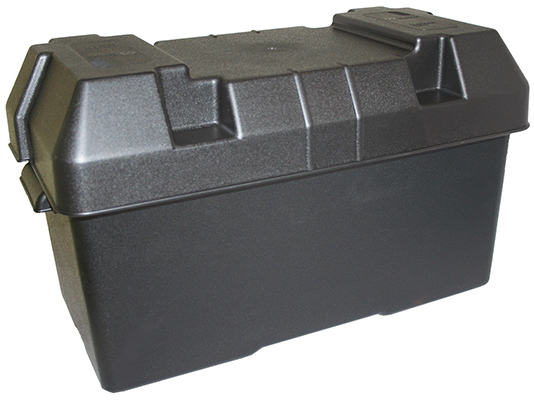
Battery box light trucks benefit from housings built with reinforced steel, aluminum alloy, or engineered composites that resist corrosion, stone impact, and vibration. Precision welding, anti‑rust coatings, and sealed seams keep moisture, road salt, and debris away from terminal connections and electronic protection circuits. Venting channels are designed to control heat and gas release while preventing water ingress. Lockable lids and secure latching mechanisms deter unauthorized access and protect against accidental opening during high‑speed operation or off‑road use. This robust construction extends battery life, lowers replacement frequency, and supports consistent electrical performance in demanding applications.
Fast Installation And Fleet-Friendly Maintenance
Easy installation is achieved through standardized mounting points, modular brackets, and pre‑configured wiring harness interfaces. Many battery boxes are designed for direct frame rail mounting or under‑cab integration, reducing fabrication work in the workshop. Quick‑release clamps, slide‑out trays, and clear polarity markings allow technicians to replace battery packs quickly, minimizing downtime in logistics and service fleets. Integrated cable management channels support neat routing for power and signal lines, reducing the risk of abrasion or accidental disconnection. These installation features align with fleet maintenance strategies that prioritize predictable service intervals and simplified training for technicians.
Performance Benefits In Real-World Operating Environments
On city delivery trucks, refrigerated light trucks, and utility vehicles equipped with telematics, the battery box plays a direct role in voltage stability and starting reliability. Effective vibration isolation reduces micro‑cracks in internal battery plates, which helps maintain capacity over thousands of start cycles. Thermal management features, such as ventilated covers or optional insulation, stabilize operating temperatures and support consistent cold‑cranking performance in winter conditions. For vehicles equipped with auxiliary loads like liftgates, mobile workshops, or communication systems, a rugged battery box allows safe integration of additional batteries or power electronics, enabling longer engine‑off operation and lower fuel consumption.
Key Application Scenarios And Integration With Electronic Systems
Battery box light trucks are widely used in last‑mile delivery fleets, roadside assistance vehicles, construction support trucks, and municipal service platforms including street maintenance and refuse collection. In each scenario, the enclosure must interface seamlessly with vehicle electrical architectures, from traditional 12 V systems to higher‑voltage configurations supporting modern powertrain electronics. Provisions for fuses, DC distribution blocks, and monitoring sensors enable direct integration with battery management systems and fleet telematics. By supporting clean signal paths and secure grounding, the battery box helps maintain data integrity for GPS tracking, onboard diagnostics, and predictive maintenance platforms that depend on uninterrupted electrical power.
1、What industries benefit most from battery box light trucks?
Delivery fleets, utility service providers, construction contractors, and municipal agencies benefit significantly, as they require protected power storage, consistent starting performance, and simplified maintenance across large numbers of light trucks.
2、How does durable construction improve battery lifecycle?
Corrosion‑resistant materials, sealed joints, and vibration‑controlled mounting reduce mechanical and environmental stress on the cells, which helps maintain capacity, limits unexpected failures, and extends the interval between battery replacements.
3、Why is easy installation important for fleet operators?
Fast, standardized installation lowers labor time, simplifies retrofits or upgrades, and supports more efficient workshop scheduling, which directly reduces vehicle downtime and overall operating costs for the fleet.