Battery Box Mounting Hardware Included For Fast, Secure Automotive Installation
News 2025-11-17
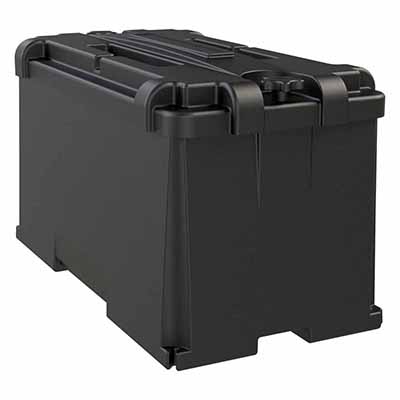
Battery box mounting hardware included quick automotive installation solutions help automotive engineers, fleet managers, and aftermarket installers reduce installation time while improving electrical system stability and safety. By supplying all required brackets, bolts, clamps, and vibration isolators in a unified kit, these systems streamline integration of starter batteries, auxiliary power units, and energy storage modules across passenger cars, commercial trucks, off‑road equipment, and specialty vehicles.
Engineered Mounting Architecture for Modern Vehicle Platforms
Battery box mounting hardware kits are engineered to match current automotive chassis layouts, under‑hood geometries, and frame rail dimensions. Precision-formed steel or aluminum brackets create rigid support points that prevent battery movement even under high G‑loads and harsh road shocks. Corrosion-resistant coatings such as zinc plating or powder coating extend service life in environments exposed to moisture, road salt, and engine compartment heat. Standardized hole patterns and slotted mounting surfaces allow the same kit to accommodate multiple battery box sizes and terminal orientations, which simplifies platform sharing across vehicle models and reduces SKU complexity for OEMs and distributors.
Performance Advantages in Electrical Safety and Vibration Control
High-performance mounting hardware directly influences battery life, electrical reliability, and safety compliance. Integrated rubber grommets, bushings, and isolator pads dampen vibration that can damage internal battery plates or loosen terminals over time. Rigid clamping mechanisms maintain consistent contact pressure, helping prevent micro‑arcing, intermittent power loss, or wiring fatigue. Many kits support compliance with SAE and OEM internal standards for battery restraint, reducing the risk of box displacement in collision events. Thermal-resistant fasteners and non‑conductive spacers are selected to avoid galvanic corrosion between the battery enclosure and vehicle body, which protects grounding performance and maintains stable voltage delivery to critical ECUs, sensors, and power distribution modules.
Automotive Application Scenarios and Installation Efficiency
These battery box mounting kits are deployed across a wide variety of mobility applications. In light vehicles, they secure 12 V start‑stop batteries, auxiliary audio power, and aftermarket winch systems. In heavy‑duty trucks and buses, multi‑battery racks for 24 V and 48 V systems benefit from pre‑configured hardware that aligns to frame rails and crossmembers, accelerating upfits and maintenance. Off‑highway equipment, agricultural machinery, and construction fleets rely on sealed and reinforced battery boxes to withstand dust, mud, and impact loads. Pre‑sorted hardware bags, clear fastener labeling, and symmetrical bracket designs reduce installation errors, shorten mechanic training time, and support high-volume production lines as well as field retrofits.
Compatibility, Customization, and Integration with Electrical Accessories
Modern battery box mounting hardware is designed with accessory integration in mind. Multiple tie‑down points and modular bracket extensions allow installation of DC‑DC converters, main fuses, disconnect switches, and current sensors near the battery housing. Cable routing slots and strain relief features help maintain proper bend radius and prevent abrasion against metal edges, supporting long‑term harness durability. For OEM programs and specialized fleets, kits can be customized for unique box footprints, higher load ratings, or specific material requirements such as stainless steel for marine-adjacent environments. Clear technical documentation, CAD models, and mounting diagrams enable vehicle engineers to validate clearances, airflow, and service access early in the design phase, minimizing later rework.
1. What vehicles can use these battery box mounting kits?
They are suitable for passenger cars, commercial trucks, buses, off‑road equipment, and utility vehicles that require secure battery installation with standardized mounting patterns.
2. How do these kits improve installation speed?
Pre‑matched brackets, bolts, clamps, and isolators arrive in one package, reducing part selection time and allowing technicians to complete mounting with fewer adjustments and reworks.
3. Are the mounting components resistant to harsh environments?
Yes, most kits use corrosion‑resistant metals and coatings, along with vibration and thermal protection features, to withstand moisture, dust, temperature cycling, and road contaminants.