Battery Box Off-Road Vehicles Rugged Construction Handles Impacts in Harsh Terrain
News 2025-11-17
Battery boxes for off-road vehicles play a decisive role in keeping electrical systems stable when subjected to harsh terrain, sudden shocks, and extended vibration. In modern utility terrain vehicles, 4×4 trucks, and expedition platforms, the battery enclosure is no longer a simple metal case; it is a purpose-built protection system that preserves energy storage performance under mechanical and environmental stress. Well-engineered boxes protect high-value batteries, support auxiliary electronics, and provide mounting options that simplify integration with existing vehicle architectures.
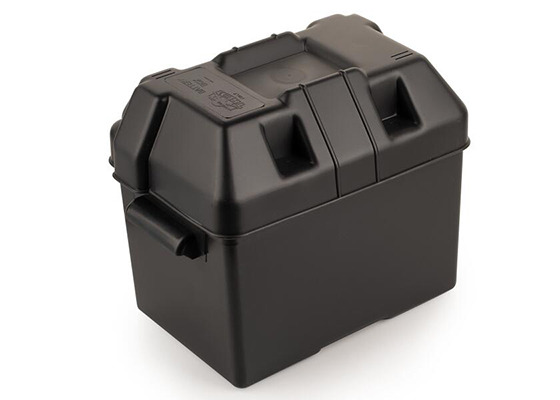
Rugged Construction for Harsh Off-Road Environments
A high-performance off-road battery box typically uses heavy-gauge steel or reinforced aluminum with strategic ribbing and corner bracing. This robust construction distributes impact loads from rocks, debris, and chassis flex before they reach the battery cells. Internal shock-absorbing pads, rubber isolators, and precision-fit cradles limit micro-movements that can fatigue terminals and welds over time. Corrosion-resistant finishes, such as powder coating or anodizing, shield the housing from mud, water, salt spray, and road chemicals, maintaining structural integrity through long-duty cycles in demanding environments.
Impact Resistance and Vibration Management
Off-road vehicles generate continuous vibration and abrupt impacts that can damage unprotected energy storage. Robust battery boxes incorporate engineered mounting systems with multi-point brackets, vibration isolators, and stress-relief features around cable entry points. These design elements reduce mechanical stress on lugs, busbars, and internal battery plates, helping maintain consistent output and extending service life. Reinforced lids with positive latching mechanisms prevent accidental opening during jumps or roll events, while integrated strain relief for cables helps avoid insulation wear, short circuits, and intermittent power loss.
Application Scenarios and Integration with Vehicle Systems
In overlanding rigs, winch-equipped recovery vehicles, and commercial off-road fleets, the battery box often supports dual-battery setups powering lighting, air compressors, inverters, and communication equipment. Compact footprints and configurable mounting options allow underbody, engine bay, or bed-mounted installation without interfering with suspension travel or drivetrain components. Many enclosures offer standardized knockouts or gland entries for high-current connectors, DC-DC chargers, and battery management systems, ensuring neat cable routing and quick servicing. For fleets, consistent box dimensions and mounting patterns simplify standardization across different vehicle models.
Thermal Performance and Safety Features
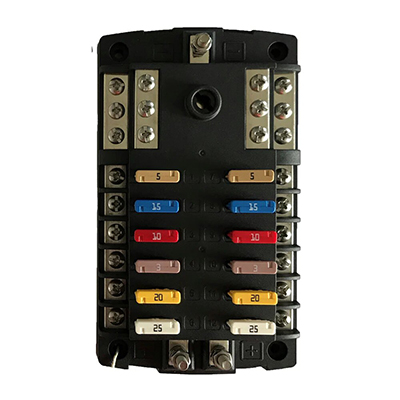
Thermal behavior is crucial when off-road vehicles operate in deserts, snow regions, or stop-and-go convoy conditions. Ventilated or selectively sealed battery boxes support stable temperature management, either promoting airflow or maintaining insulation as required by the chemistry, such as AGM, flooded lead-acid, or lithium iron phosphate packs. Integrated fuse mounts, circuit breaker provisions, and clearly labeled connection points enable safer high-current distribution. In some designs, flame-retardant gaskets and spark-resistant hardware further mitigate risk in the presence of fuel vapors or dust clouds, aligning with stringent safety expectations in the electrification of off-road platforms.
Performance Benefits and Maintenance Efficiency
Rugged battery enclosures directly contribute to lower lifecycle costs by limiting premature battery failures and reducing downtime. Stable mounting and effective impact management preserve capacity, minimize voltage drops under heavy loads, and improve starting performance in cold weather. Maintenance crews benefit from front-access lids, quick-release clamps, and clear polarity markings that shorten inspection and replacement intervals. For OEMs and system integrators, a well-specified battery box becomes a standardized module that accelerates design cycles, supports higher accessory loads, and maintains consistent electrical performance across varied terrains.
1. How does a rugged battery box help off-road reliability?
A robust battery box shields the battery from impacts, vibration, and contamination, so terminals stay secure, voltage remains stable, and electrical accessories operate consistently during demanding off-road use.
2. Which vehicles benefit most from impact-resistant battery boxes?
Utility terrain vehicles, expedition 4x4s, construction equipment, agricultural machinery, and military off-road platforms gain significant durability and uptime advantages from impact-resistant battery enclosures.
3. Are rugged battery boxes suitable for lithium batteries?
Yes. Many modern enclosures support lithium packs by providing secure mounting, controlled ventilation, and protection for the battery management system, helping maintain performance and safety across harsh operating conditions.