Battery Box Solutions for AGM Lead‑Acid Batteries in Diverse Power Applications
News 2025-11-17
Battery box compatible AGM lead-acid batteries versatile use
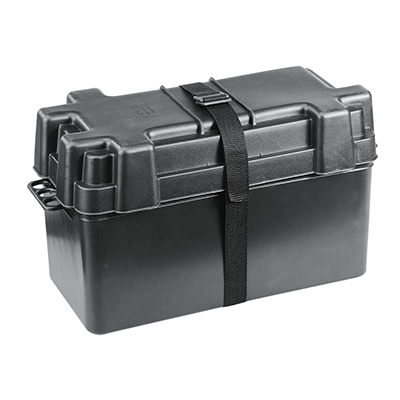
Robust Housing for Demanding Power Environments
A well‑engineered battery box tailored for AGM lead‑acid batteries protects the energy system from moisture, dust, vibration, and accidental impact. By enclosing the battery in a chemically resistant shell with secure latching and cable routing, integrators can maintain stable operation in workshops, vehicles, marine cabins, telecom shelters, and outdoor cabinets. High‑density plastics or coated metals prevent corrosion, while venting structures manage any gas accumulation without compromising safety. When the enclosure is dimensioned precisely for AGM blocks and fitted with terminal covers, short‑circuit risk is greatly reduced during installation and maintenance.
Performance Benefits of AGM Lead‑Acid in Boxed Systems
AGM lead‑acid batteries offer low internal resistance, strong cold‑cranking capability, and good deep‑cycle endurance, which makes them especially attractive in enclosed battery box configurations. Their spill‑proof design permits flexible mounting positions and reduced maintenance, because there is no need for electrolyte refilling. When paired with a box that supports correct thermal balance, AGM chemistry delivers consistent voltage output for UPS systems, solar storage, mobility carts, medical carts, and emergency lighting. The low self‑discharge rate supports long standby periods, while robust plates and separators provide stable performance under repeated charge and discharge cycles.
Versatile Application Scenarios and Integration Features
A battery box compatible with AGM blocks simplifies integration into RVs, boats, off‑grid solar arrays, surveillance systems, and backup power cabinets. Pre‑drilled mounting points, strain relief for cables, and clear polarity markings accelerate installation and help prevent wiring errors. In mobile platforms, shock‑absorbing mounts and tie‑down options keep the box secure over rough terrain. For renewable energy projects, multiple boxes can be paralleled or stacked to build higher capacity banks while preserving organized cable management. Many designs also include external state‑of‑charge indicators, fuse holders, and breaker panels so that system monitoring and protection remain accessible without opening the enclosure.
Thermal Management, Safety, and Compliance Considerations
Stable temperature is vital for AGM lifespan, so a suitable battery box often integrates ventilation slots, optional fans, or thermal insulation depending on the deployment environment. In compact indoor spaces, passive airflow paths help avoid heat buildup from chargers and inverters placed nearby. Designers should verify that materials meet relevant fire classifications and electrical safety standards for the target market. Lockable lids and tamper‑resistant hardware prevent unauthorized access in public installations. Clear labeling of voltage, capacity, and hazard symbols supports regulatory compliance and helps operators perform periodic inspections, capacity tests, and scheduled replacements without confusion.
Common Questions on Battery Boxes and AGM Integration
1. What makes AGM batteries suitable for enclosed battery boxes?
AGM batteries are sealed, spill‑resistant, and tolerant of varied mounting positions, so they perform well in confined housings with limited maintenance requirements.
2. Can one battery box support both starting and deep‑cycle AGM batteries?
Yes, as long as the enclosure dimensions, terminals, and ventilation match the specific battery models, a single box can host starting, dual‑purpose, or deep‑cycle AGM units.
3. How should a battery box be sized for future capacity expansion?
Select a box with spare internal space or a modular series that allows adding identical enclosures in parallel, ensuring adequate cable routing and protective devices for the higher current levels.