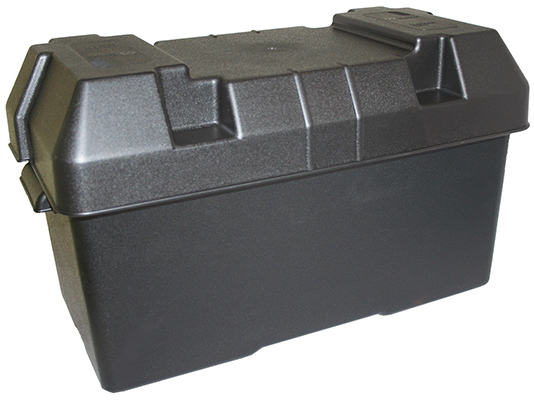
Battery Box Solutions for Compact Cars with Space-Saving Engine Bay Layouts
News 2025-11-17
Compact car platforms push engineers to rethink where and how battery boxes are integrated into increasingly crowded engine bays. Downsized powertrains, turbochargers, hybrid modules, and stringent crash structures compete for every millimeter of space. A modern battery box must therefore protect high-density cells, simplify routing, and support fast service operations while occupying a minimal footprint. These demands shape the geometry, materials, and mounting strategies used in current-generation compact vehicles.
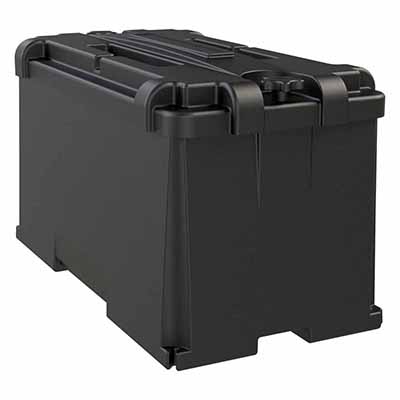
Space-Constrained Engine Bay Architecture
Compact cars commonly feature transverse engines, short front overhangs, and tight crumple zones, leaving little room for conventional rectangular battery trays. Designers frequently adopt slim vertical battery boxes positioned near the firewall or integrated into the wheelhouse area. CAD-driven packaging studies optimize clearances for wiring looms, brake lines, and cooling hoses, while respecting service access envelopes. To maintain compliance with pedestrian-safety and impact regulations, the battery enclosure often incorporates energy-absorbing ribs and controlled deformation zones that shield cells from intrusion.
Design Features and Performance Benefits
The battery box for a compact engine bay typically employs high-strength steel, aluminum, or glass-fiber reinforced polymers to balance stiffness and weight. Multi-point mounting to body structures reduces vibration and extends battery lifespan by limiting mechanical shock. Integrated cable channels and sealed grommets support low-resistance current paths and minimize electromagnetic interference, a key requirement for start-stop systems and mild hybrids. Thermal management features, such as venting paths, flame-retardant liners, and optional active cooling interfaces, maintain cell temperature within optimal ranges, enhancing cold-crank performance and cycle life.
Application Scenarios in Modern Compact Vehicles
Automakers deploy compact battery boxes in a variety of layouts: under-hood near the strut tower for conventional 12 V systems, within the cowl area for protected high-voltage auxiliary packs, or split across front and rear compartments in micro-hybrid setups. Urban delivery cars and ride-hailing fleets favor configurations that support rapid replacement to keep vehicles in service with minimal downtime. Integrated sensor mounts and diagnostic connectors allow on-board monitoring of voltage, temperature, and state-of-health, giving fleet operators the data needed to schedule preventive maintenance. In plug-in variants, the auxiliary battery box coordinates with main traction packs, ensuring stable power for ECUs, lighting, and safety systems even during high-load charging or regenerative braking events.
Manufacturing, Serviceability, and Safety Standards
For high-volume compact cars, battery boxes are engineered with manufacturability in mind: common mounting patterns, modular tray dimensions, and standardized fasteners shorten assembly time and reduce tooling costs. Snap-fit covers and clearly marked terminals help technicians perform safe, quick replacements in cramped bays without disturbing adjacent components. Compliance with UN ECE R10, ISO 16750, and OEM-specific corrosion and vibration tests ensures long-term durability under thermal cycling, road salt exposure, and continuous engine-bay heat. Pressure-relief features and directed vent paths mitigate the risk of gas accumulation, while robust insulation and shrouded terminals lower the likelihood of short circuits during collisions or water ingress.
1How does a compact battery box improve engine bay packaging?
A compact battery box uses optimized geometry and integrated cable routing to free space around the engine, enabling smaller front overhangs, improved crash structures, and easier integration of turbochargers or hybrid modules.
2What materials are typically used for these battery boxes?
Most designs rely on high-strength steel or aluminum for structural stiffness, while glass-fiber reinforced polymers are applied where weight savings, corrosion resistance, and complex shapes are priorities.
3Why is thermal management important in a small engine bay?
Tight engine bays trap heat, so effective venting, flame-retardant liners, and optional cooling interfaces keep battery temperatures within the target window, protecting cold-cranking capability and extending overall battery service life.