Battery box solutions for deep-cycle batteries in modern recreational vehicle power systems
News 2025-11-17
Choosing the right battery box for deep‑cycle batteries in a recreational vehicle (RV) is just as important as choosing the battery chemistry itself. A well‑matched enclosure protects the energy system from vibration, heat, moisture, and accidental short circuits, while also improving installation flexibility and long‑term performance. For RV owners upgrading from basic starter batteries to high‑capacity deep‑cycle units, understanding how battery boxes impact safety, lifespan, and everyday usability directly influences travel comfort and power availability on the road.
Key roles of RV battery boxes in mobile applications
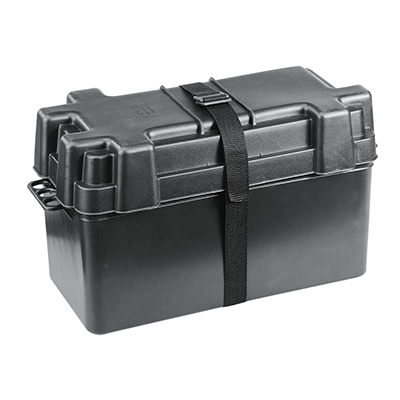
Battery boxes in RV environments must handle frequent movement, uneven roads, and varying climates. A purpose‑built enclosure offers mechanical protection against shocks and abrasion, and often integrates tie‑down points that secure the pack during hard braking or off‑road driving. Many RV‑grade boxes include cable glands, vent ports, and terminals designed to manage high continuous loads from inverters, fridges, air conditioners, and DC appliances commonly used during boondocking. For flooded lead‑acid systems, vented designs help route hydrogen gas safely outside the cabin. With sealed AGM or lithium iron phosphate (LiFePO4) batteries, compact, non‑vented boxes still provide crucial insulation and wiring organization, reducing installation errors and improving serviceability.
Deep‑cycle battery compatibility and performance benefits
Deep‑cycle batteries are engineered for repeated charge and discharge at moderate rates, delivering stable capacity for lighting, pumps, electronics, and solar‑powered systems. A compatible battery box accounts for footprint, terminal orientation, and thermal behavior of these cells. RV users often choose group‑size standardized boxes that support common 12 V or 24 V deep‑cycle formats, simplifying future upgrades. For lithium packs, enclosures with space for integrated battery management systems (BMS) and fusing help maintain safe operation under high surge loads from inverters. Properly sized cable channels reduce resistance losses, improving efficiency and minimizing voltage drop to sensitive equipment. A quality box also limits exposure to dust and splash water, which can affect connectors and sensors over long trips.
Application scenarios in RV power and energy storage
In dry‑camping and off‑grid RV setups, deep‑cycle batteries housed in robust boxes support continuous operation of solar charge controllers, DC refrigerators, fans, and communication devices. Many owners mount battery boxes in exterior compartments, on trailer tongues, or under seats, taking advantage of UV‑stabilized plastics or powder‑coated metal cases that withstand road debris and sun exposure. In higher‑power applications, such as supporting 2000 W or larger inverters, dual‑ or multi‑battery boxes enable parallel configurations, extending runtime for induction cooktops or entertainment systems. Proper enclosure selection also simplifies cable routing to rooftop solar arrays, alternator chargers, and shore power chargers, creating a clean, serviceable energy hub that meets industry safety expectations.
Selection tips, safety considerations, and maintenance
When pairing a battery box with deep‑cycle batteries, RV users should verify rated dimensions, allowable ampacity of integrated terminals, and compliance with marine or RV electrical standards. Heat management is vital: enclosures should provide adequate spacing around cells and, where required, ventilation or thermal insulation to prevent overheating in engine bays or sun‑exposed areas. Clearly labeled positive and negative bus points, fuse holders, and circuit breaker mounts help reduce wiring mistakes and support quick troubleshooting. Periodic inspection of the box for cracks, loose straps, corroded lugs, and degraded seals preserves both safety and energy efficiency. Choosing enclosures from established manufacturers with documented testing against vibration, impact, and chemical exposure supports long‑term reliability in demanding travel schedules.
1、What type of deep‑cycle battery works best in an RV battery box?
AGM and LiFePO4 deep‑cycle batteries are popular because they are spill‑proof, tolerate vibration, and fit well in sealed or semi‑sealed boxes, offering high cycle life and low maintenance.
2、Can one battery box support multiple RV batteries?
Yes, dual or multi‑compartment boxes are available to house batteries in parallel or series configurations, increasing capacity or system voltage while keeping wiring organized and protected.
3、Do lithium RV batteries need ventilated boxes?
Most LiFePO4 packs do not require gas venting like flooded lead‑acid units, but they still benefit from enclosures that manage heat, provide solid mounting, and offer room for the BMS and protective devices.