Brake Light Fuse Protects Automotive Safety Circuits From Electrical Failures
News 2025-11-17
A brake light fuse is a small component that plays a large role in road safety and vehicle reliability. Positioned in the fuse box between the vehicle’s power source and the rear brake lamps, it is designed to interrupt current flow when abnormal conditions occur. By doing so, it prevents wiring damage, protects electronic modules, and helps ensure that brake signals remain consistent and visible to surrounding traffic. For automotive engineers and maintenance professionals, understanding how this protective device functions is fundamental to building and servicing safer vehicles.
Function and Working Principle of the Brake Light Fuse
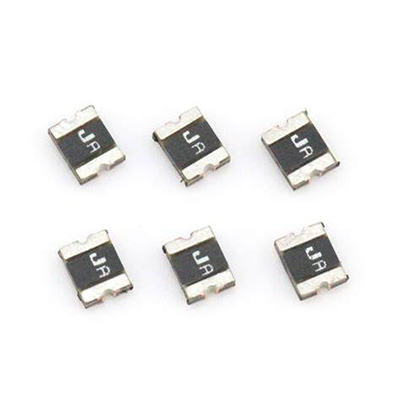
The brake light fuse is engineered to open the circuit when current exceeds a specified rating. Inside its body, a metal element melts once overload or short‑circuit conditions appear, stopping further current flow toward the brake light system. This sacrificial action prevents overheating of cables, lamp sockets, and control units linked to the brake pedal switch. By isolating the fault, the fuse acts as a predictable failure point that is quick and inexpensive to replace, avoiding complex wiring repairs and protecting higher‑value electronics such as body control modules.
Key Performance Advantages in Brake Light Applications
In modern vehicles that employ LED lamps and multiplexed wiring, the performance of the brake light fuse has become more important. Tight tolerance on current rating, low internal resistance, and stable behavior under temperature variations help keep brake lights bright and responsive when the driver presses the pedal. Quality fuses offer rapid fault interruption while maintaining low power loss in normal operation, which supports long service life of LEDs and bulb sockets. This performance stability contributes directly to consistent signal visibility, minimizing the risk of rear‑end collisions caused by dim, flickering, or non‑functional brake lights.
Application Scenarios Across Vehicle Platforms
Brake light fuses are widely used in passenger cars, commercial trucks, buses, trailers, and specialized vehicles such as emergency service fleets. In heavy‑duty applications, the brake circuit frequently experiences vibration, moisture, and variable load conditions from towed equipment. Under these scenarios, a properly rated fuse prevents damage when wiring harnesses are stressed or connectors are contaminated. Electric and hybrid platforms also rely on precise fuse coordination, where brake light signals interface with regenerative braking systems and driver‑assistance features. Choosing the correct fuse type and rating helps ensure that these integrated functions remain synchronized and compliant with road safety regulations.
Selection, Maintenance, and Diagnostics
Selecting the correct brake light fuse starts by matching the current rating, voltage rating, and form factor specified by the vehicle manufacturer. Automotive blade fuses, mini blade fuses, and low‑profile variants are common choices, each designed to fit standardized fuse panels. During maintenance, technicians verify continuity, inspect for corrosion on fuse terminals, and confirm that replacement parts meet OEM specifications. When brake lights fail, checking the fuse is an efficient first diagnostic step that can quickly differentiate between a simple overload event and deeper issues such as shorted wiring or faulty brake switches.
FAQ: Brake Light Fuse Application and Performance
1. What happens when a brake light fuse blows?
The brake light circuit opens, causing one or all rear brake lamps to stop working. This prevents further electrical damage but requires fuse replacement and investigation of the underlying fault.
2. How should a technician choose the correct fuse rating?
The current rating must match the vehicle specification, taking into account lamp type, wiring size, and system voltage. Using a higher rating than specified can compromise protection and increase fire risk.
3. Why are high‑quality fuses important in LED brake light systems?
LED brake lamps draw lower current but are sensitive to voltage spikes and thermal stress. High‑quality fuses provide stable protection, quick fault interruption, and help maintain consistent brightness over long operating lifetimes.