Car Battery Box with Heat-Insulating Layer for Extreme Temperature Environments
News 2025-10-31
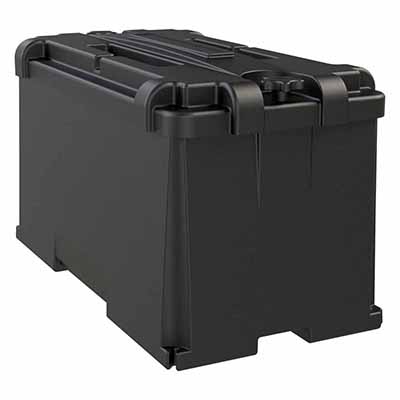
In the automotive industry, extreme temperatures pose significant challenges to battery performance, potentially leading to reduced efficiency, accelerated degradation, or safety risks. The car battery box with a heat-insulating layer offers a specialized solution by maintaining stable internal conditions for batteries in electric and hybrid vehicles. This design utilizes advanced materials to shield against both intense cold and heat, ensuring reliable operation in diverse climates and supporting the growing demand for sustainable transportation.
Application Scenarios
This battery box is ideal for vehicles operating in harsh environments, such as electric cars in arctic regions where temperatures can drop below -40°C, preventing freeze-related failures. In desert areas with highs exceeding 50°C, it protects against overheating, which is critical for delivery fleets and emergency services. Additionally, it’s suitable for off-road and marine applications, where exposure to fluctuating temperatures demands consistent performance to avoid downtime and ensure safety.
Performance Advantages
The heat-insulating layer enhances battery longevity by minimizing thermal stress, which can cause capacity loss over time. It improves energy efficiency through better temperature regulation, allowing for optimal charging and discharging cycles. Constructed with durable, lightweight materials, the box also provides resistance to vibrations and impacts common in automotive use, reducing maintenance needs and offering cost-effective protection without compromising on space or weight.
Frequently Asked Questions
1. What is the main purpose of the heat-insulating layer?
It protects the battery from extreme temperatures, ensuring stable performance and preventing damage in harsh conditions.
2. In which climates is this battery box most effective?
It excels in both very cold and very hot environments, making it suitable for regions with significant temperature variations.
3. How does it impact battery lifespan?
By reducing thermal fluctuations, it minimizes wear on battery cells, potentially extending their operational life by up to 20-30%.