Cartridge Fuse Amperage Rating Enables Stable Protection Under Heavy Vehicle Electrical Loads
News 2025-11-17
Cartridge fuse amperage rating handles heavy electrical loads in vehicle systems by defining exactly how much current the fuse can safely carry without opening the circuit. In modern vehicles packed with electronic control units, infotainment networks, high-power lighting, and electric pumps, current demand can spike rapidly. Matching the fuse’s amperage rating to the expected load and wiring capacity prevents nuisance blows while still protecting harnesses and modules from damage caused by overloads or short circuits. Correct selection supports stable operation of key systems, reduces downtime, and helps OEMs meet safety and regulatory requirements.
Key Role Of Amperage Rating In Vehicle Circuits
The amperage rating of an automotive cartridge fuse defines its continuous current handling capability under specified temperature and environmental conditions. In a vehicle, where ambient temperatures under the hood can be high and vibration is constant, using the correct rating is crucial. Underrated fuses open too frequently, interrupting critical loads such as engine management, ABS units, or power steering assist. Overrated fuses may allow dangerous overcurrents to flow long enough to overheat harness insulation and connectors. Engineers calculate steady-state and inrush currents, apply derating factors, and then select a fuse value that balances dependable operation and effective fault protection.
Application Scenarios In Modern Vehicle Platforms
Cartridge fuses appear throughout 12 V and 48 V architectures, protecting circuits ranging from low-current sensor feeds to high-current auxiliaries. Typical heavy-load applications include electric cooling fans, fuel pumps, HVAC blowers, rear defoggers, power seat and window motors, tow package connectors, and audio amplifiers. In hybrid and battery electric vehicles, higher amperage cartridge fuses safeguard DC/DC converters, battery heaters, on-board chargers, and high-output auxiliary compressors. These scenarios demand fuses that tolerate frequent start-up surges while disconnecting rapidly during short circuits, preventing damage to expensive electronic modules and minimizing the risk of wiring fires.
Performance Advantages Of Correctly Rated Cartridge Fuses
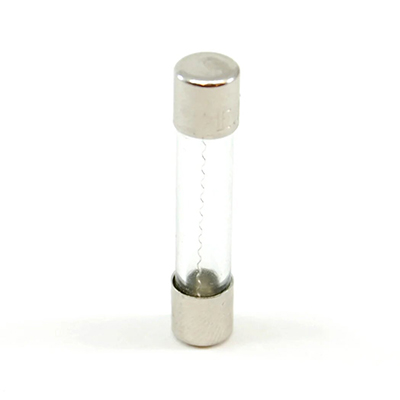
When the amperage rating matches the real electrical load, cartridge fuses deliver predictable time-current performance and stable voltage supply to downstream components. Their compact cylindrical form factor fits dense fuse boxes and junction blocks, enabling high circuit counts in limited space. Low resistance elements help reduce power loss and heat buildup, an important benefit in high-load circuits such as heated seats or high-intensity LED lighting. Standardized ratings and footprints simplify global sourcing and service, supporting automotive platforms deployed across multiple regions and regulatory frameworks. Proper matching of rating, voltage, and interrupting capacity improves system reliability over the vehicle lifetime.
Best Practices For Selection And Integration
Effective integration starts with accurate load profiling, including continuous current, peak inrush, and duty cycle. Designers should consider ambient temperature in the fuse location, grouping effects in crowded fuse blocks, and the current-carrying capability of the associated wiring. Using datasheet time-current curves, they can verify that the chosen amperage rating sustains normal peaks but clears fault currents within safe limits. In service environments, clear labeling of fuse ratings and circuits helps technicians diagnose failures quickly and replace components using correct values. For aftermarket upgrades such as high-power audio systems or towing packages, selecting appropriate cartridge fuse ratings protects both original wiring and added accessories.
Common Questions About Cartridge Fuse Amperage Rating
1What happens if a cartridge fuse amperage rating is too high?
Using a fuse with an amperage rating that exceeds the circuit design can allow excessive current to flow before the fuse opens, increasing the risk of overheated wiring, connector damage, and potential fire.
2How do inrush currents affect fuse selection in vehicles?
Many automotive loads, such as motors and capacitive power supplies, draw a brief inrush current above their steady-state value; fuse ratings must accommodate these surges while still opening quickly under true fault conditions.
3Why are cartridge fuses preferred in high-load vehicle circuits?
Cartridge fuses offer compact size, consistent time-current characteristics, and high interrupting capability, making them well suited to protect heavy-load circuits and dense electrical architectures in modern vehicles.