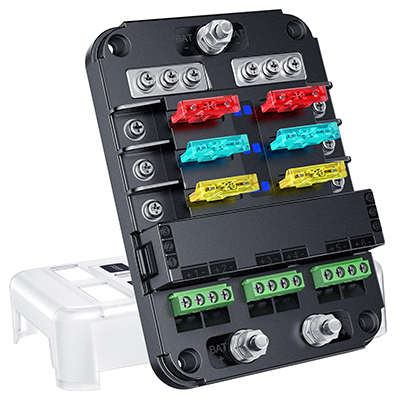
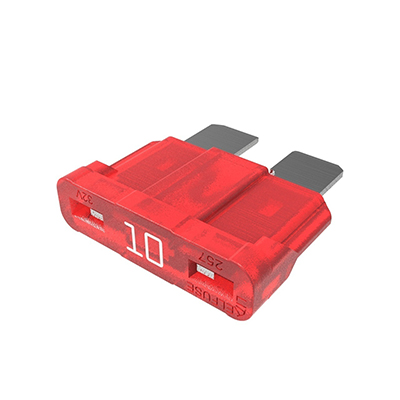
Comprehensive Guide to Diagnosing and Repairing a Car Fuse Holder That Repeatedly Blows Fuses
News 2025-10-20
A car fuse holder is an essential part of the vehicle’s electrical system, protecting circuits from overloads and short circuits. When it keeps blowing fuses, it signals potential issues like wiring problems or component failures, which can compromise safety and performance. In automotive settings, this problem often arises in systems such as lighting, power windows, or engine controls, where high current demands are common. Addressing it promptly not only prevents further damage but also enhances the reliability and longevity of the car’s electrical components. Proper troubleshooting ensures that drivers can maintain their vehicles efficiently, avoiding unexpected breakdowns during use.
Identifying Common Causes
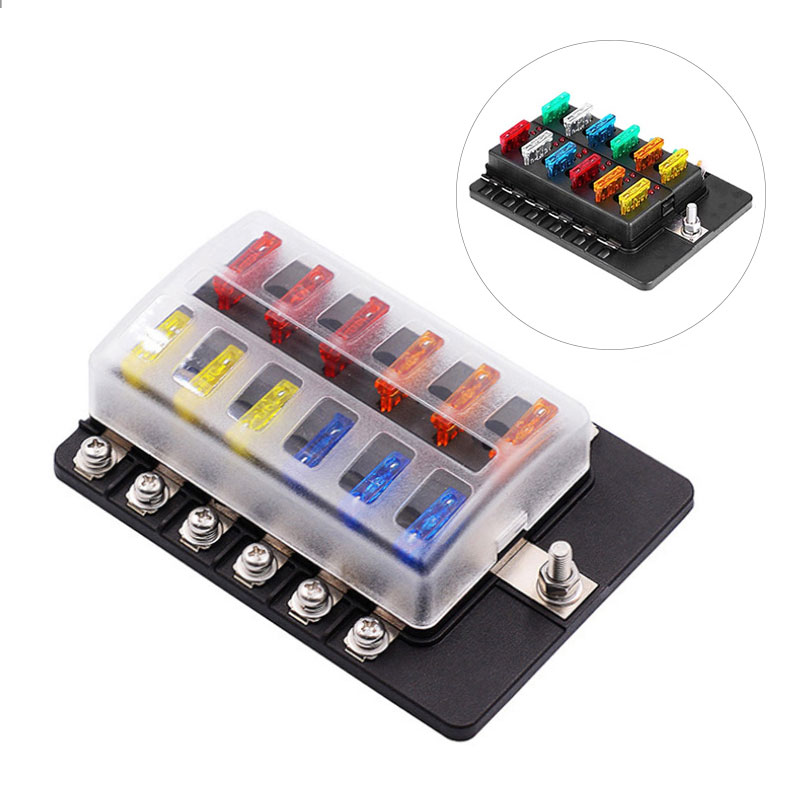
Several factors can cause a fuse holder to blow fuses repeatedly. Short circuits, often due to damaged insulation or crossed wires, create excessive current that overwhelms the fuse. Overloading happens when too many accessories are connected to a single circuit, exceeding its capacity. Additionally, corrosion or loose connections within the fuse holder itself can lead to poor contact and heat buildup, triggering failures. Understanding these causes is crucial as it allows for precise diagnosis, improving the overall performance and safety of the electrical system by targeting specific issues rather than applying generic fixes.
Step-by-Step Troubleshooting Process
To resolve the issue, start by visually inspecting the fuse and holder for signs of damage, such as melted plastic or burnt marks, and replace any faulty fuses with the correct amperage rating. Next, use a multimeter to check for continuity in the circuit and measure voltage drops, which can indicate high resistance points. Examine the wiring harness for frays, breaks, or shorts, and ensure all connections are tight and corrosion-free. If problems persist, test associated components like switches or relays for defects. This methodical approach not only fixes the immediate problem but also bolsters the system’s efficiency, reducing the risk of future failures in demanding automotive environments.
Frequently Asked Questions
1. What causes a fuse to blow frequently in a car?
Answer: Frequent blowing often results from short circuits, overloads, or a defective fuse holder, typically due to wiring issues or corrosion.
2. Can I fix a faulty fuse holder myself?
Answer: Yes, with basic tools and knowledge, but always disconnect the battery first to avoid electrical shocks or further damage.
3. How do I prevent fuse blowing in my vehicle?
Answer: Use the correct fuse ratings, avoid adding unauthorized accessories, and perform regular inspections to maintain wiring integrity.