Comprehensive Guide to Diagnosing and Repairing Issues in Automotive Battery Enclosures
News 2025-10-20
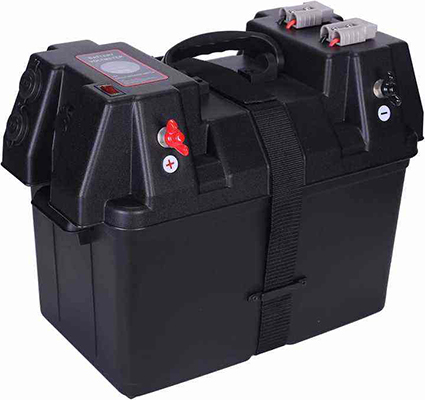
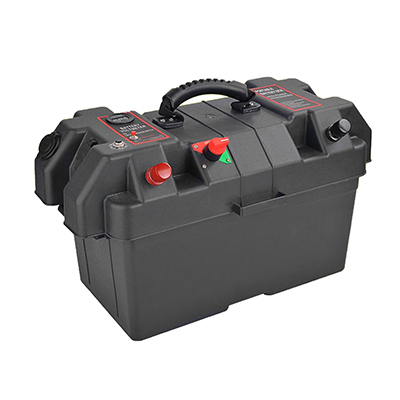
Car battery enclosures play a crucial role in protecting the battery from environmental factors, ensuring reliable vehicle performance. These components are essential in automotive electrical systems, where they shield batteries from moisture, vibrations, and physical damage. Understanding common problems can prevent breakdowns and extend the life of your vehicle’s electrical system. By focusing on key issues like corrosion and poor connections, you can maintain optimal performance and safety on the road.
Identifying Typical Symptoms
Common symptoms of battery enclosure problems include visible corrosion on terminals, unusual odors, or difficulty starting the engine. In automotive applications, these signs often indicate exposure to harsh conditions like extreme temperatures or road salt. Recognizing these early helps avoid more severe issues, such as electrical shorts, which can compromise vehicle safety and reliability.
Step-by-Step Troubleshooting Methods
Begin troubleshooting by inspecting the enclosure for cracks or damage, using a multimeter to check voltage and connections. For instance, in daily commutes or long-haul trips, ensure the battery is securely fastened to prevent vibrations that lead to wear. This method highlights the enclosure’s role in maintaining consistent power delivery, enhancing overall vehicle efficiency and longevity.
Preventive Measures for Longevity
Regular maintenance, such as cleaning terminals and applying protective coatings, can significantly reduce failure risks. In scenarios involving frequent stop-start driving or exposure to elements, these practices leverage the enclosure’s design for better durability and resistance to corrosion. Emphasizing these strategies ensures sustained performance advantages in demanding automotive environments.
1. What causes corrosion in car battery enclosures?
Corrosion often results from acid leaks or moisture exposure, leading to poor electrical contact.
2. How can I test if my battery enclosure is faulty?
Use a visual inspection and multimeter to check for damage or irregular voltage readings.
3. Is replacing a battery enclosure difficult?
It can be straightforward with basic tools, but professional help is recommended for safety and accuracy.