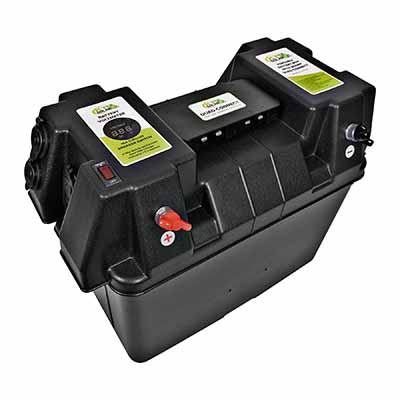
Critical Indicators and Best Practices for Updating Your Automotive Battery Housing
News 2025-10-20
Car batteries are vital for vehicle operation, but the battery box or case that houses them often goes overlooked until problems arise. Over time, exposure to harsh conditions like heat, moisture, and vibrations can degrade the battery box, leading to potential safety hazards and reduced performance. Knowing when to replace this component is essential for maintaining your vehicle’s reliability and longevity. This article outlines key signs that indicate it’s time for a change, helping you avoid costly breakdowns and ensure optimal function in various driving scenarios.
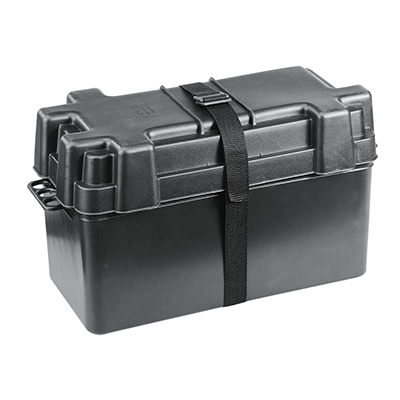
Identifying Damage and Deterioration
One of the primary indicators for battery box replacement is visible physical damage. Cracks, rust, or warping can compromise the seal, allowing moisture and contaminants to enter, which may lead to corrosion of the battery terminals or even short circuits. In high-mileage vehicles or those exposed to extreme weather, such as off-road trucks or electric cars, this deterioration accelerates. Performance issues like difficulty starting the engine or frequent battery drain could signal that the box is no longer providing adequate protection, emphasizing the need for regular inspections in demanding applications.
Performance and Safety Implications
Replacing a worn battery box not only prevents immediate failures but also enhances overall vehicle safety and efficiency. A secure, intact box ensures the battery remains stable, reducing the risk of fires or leaks during accidents, which is crucial in safety-critical scenarios like family SUVs or commercial fleets. Additionally, a new box can improve thermal management, helping to maintain battery health in electric and hybrid vehicles where temperature control is key to extending range and lifespan. By addressing these issues proactively, drivers can achieve better reliability and cost savings over time.
Frequently Asked Questions
1. How do I know if my battery box is cracked?
Look for visible fractures or deformities; if you see any, test for leaks or corrosion to confirm replacement is needed.
2. What is the average cost of replacement?
Costs typically range from $50 to $200, depending on the vehicle model and whether professional installation is required.
3. Can a damaged battery box affect my car’s warranty?
Yes, ignoring damage might void warranty coverage for related components, so timely replacement is advisable to maintain protection.