Current Automotive Fuse Types: Blade and Glass Tube Options for Modern Vehicles
News 2025-10-24
Fuses play a critical role in automotive electrical systems by protecting circuits from overloads and short circuits. In today’s vehicles, fuses are essential for safeguarding components like lights, radios, and engine controls. This discussion focuses on current fuse types, particularly blade and glass tube variants, which are widely used due to their reliability in various applications. Understanding these fuses helps in maintenance and upgrades, ensuring vehicle safety and performance.
Blade Fuses in Automotive Use
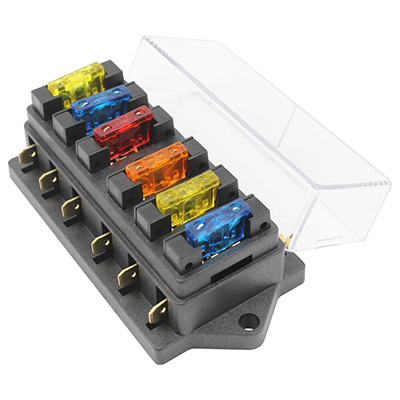
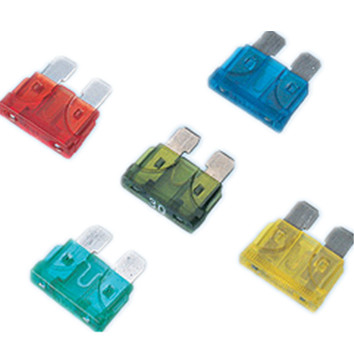
Blade fuses are the most common type in modern cars because of their compact design and ease of installation. They are typically found in fuse boxes under the hood or dashboard, protecting circuits for accessories and lighting. A key advantage is their quick replacement feature; the plastic body and metal blades allow for simple snap-in installation without tools. In high-vibration environments like engines, blade fuses offer superior resistance to mechanical stress, making them ideal for daily driving scenarios. Their standardized sizes, such as mini and micro variants, enable efficient space use in crowded fuse panels, enhancing overall system reliability.
Glass Tube Fuses in Vehicle Systems
Glass tube fuses remain relevant in some automotive contexts, especially in older or specialized vehicles, due to their transparency that allows visual inspection of the fuse element. These fuses are often used in applications requiring precise current ratings, such as in audio systems or lighting circuits. A notable performance benefit is their ability to handle higher voltage applications compared to some blade types, providing robust protection in scenarios with fluctuating electrical loads. However, they excel in environments where quick visual checks are needed, like in classic cars or custom builds, offering a cost-effective solution with good thermal stability.
Frequently Asked Questions
1. What are the main differences between blade and glass tube fuses?
Blade fuses are compact and easy to replace, commonly used in modern cars, while glass tube fuses allow visual inspection and are often found in older systems.
2. Which fuse type is better for high-vibration automotive environments?
Blade fuses are generally better suited for high-vibration settings due to their design, offering more durability than glass tube fuses.
3. Can I use blade fuses as a replacement for glass tube fuses in my car?
It’s possible in some cases, but compatibility must be checked to ensure the correct current rating and fit, as mismatched fuses can lead to electrical issues.