Cutting-Edge Wire Harness Engineering for Enhanced Automotive Cruise Control and Adaptive Electrical Systems
News 2025-10-31
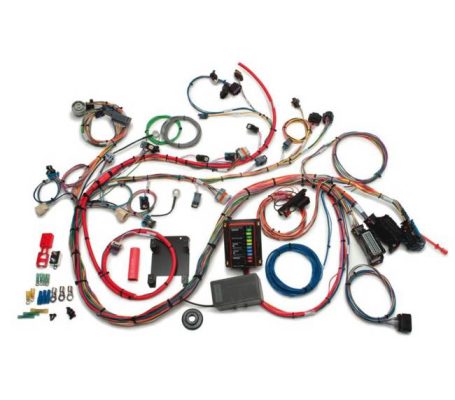
Wire harnesses are critical components in modern automotive systems, serving as the nervous system that connects various electrical elements. In the context of cruise control and adaptive systems, they ensure seamless communication between sensors, controllers, and actuators. This article explores how sophisticated wire harness designs contribute to the functionality and safety of vehicles equipped with these technologies, highlighting their role in improving driver assistance features and overall system performance.
Key Application Scenarios in Automotive Systems
Wire harnesses play a pivotal role in diverse automotive applications, particularly in cruise control and adaptive systems. For instance, in highway driving scenarios, they facilitate real-time data transfer from radar sensors to the adaptive cruise control module, enabling automatic speed adjustments to maintain safe distances. In urban environments, these designs support integration with braking and steering systems for features like automatic emergency braking. Additionally, in electric and hybrid vehicles, wire harnesses optimize energy distribution, ensuring efficient operation of adaptive lights and collision avoidance systems, thus enhancing vehicle adaptability across various driving conditions.
Performance Benefits and Design Innovations
Advanced wire harness designs offer substantial performance enhancements, including improved durability and reduced weight through the use of high-grade materials like cross-linked polyethylene insulation. These innovations minimize electrical resistance, leading to better energy efficiency and faster response times in cruise control operations. Moreover, by incorporating modular designs, manufacturers achieve easier installation and maintenance, which cuts down assembly time and costs. Such advancements also bolster electromagnetic compatibility, reducing interference in adaptive systems and ensuring precise functionality during critical maneuvers, ultimately contributing to higher reliability and safety standards in automotive engineering.
Frequently Asked Questions
1. What components are essential in wire harnesses for cruise control?
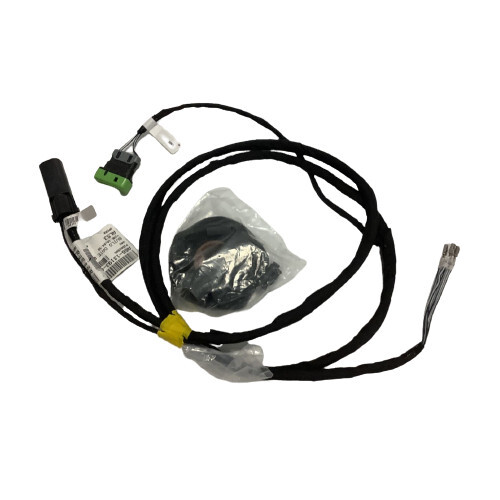
Key components include connectors, terminals, and shielded cables that handle signal transmission and power distribution to ensure accurate speed regulation and system integration.
2. How do these designs enhance adaptive system safety?
They provide robust connections that support rapid data exchange, allowing adaptive systems to react swiftly to environmental changes, thereby preventing accidents through features like automatic braking.
3. What materials are typically used in automotive wire harnesses?
Common materials include copper for conductors due to its conductivity, and various polymers for insulation to withstand heat, vibration, and environmental factors in vehicles.