Daytime Running Light Fuse Safeguards DRL System Electrical Circuits In Modern Vehicles
News 2025-11-17
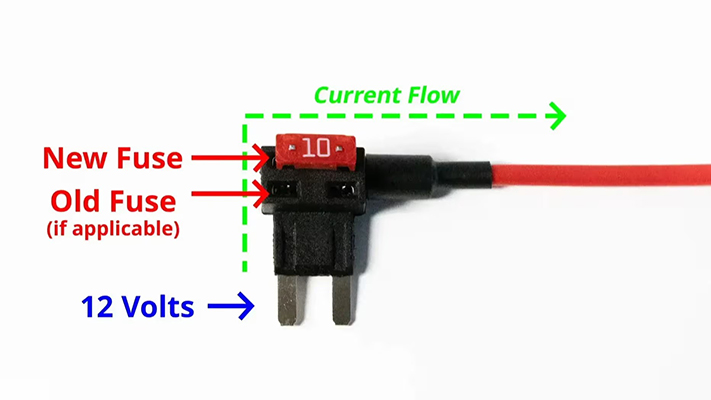
Daytime running light (DRL) systems have become standard in modern vehicles, improving on-road visibility and daytime safety. At the core of each DRL circuit is a dedicated fuse that protects wiring, control modules, and LED or halogen light sources from electrical faults. By interrupting abnormal current flow, the DRL fuse prevents overheating, short circuits, and potential fire hazards, enabling manufacturers to meet strict automotive safety and regulatory requirements while maintaining stable lighting performance.
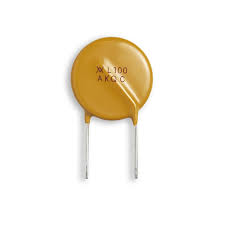
Protective role of the DRL fuse in automotive lighting
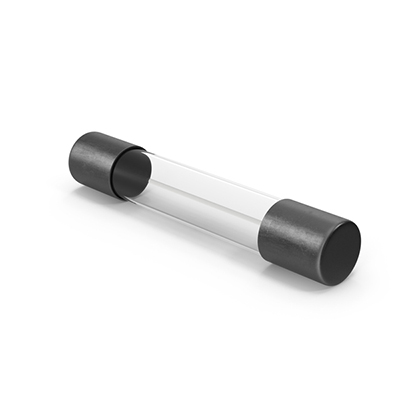
The DRL fuse acts as a sacrificial component in the power path between the vehicle battery, body control module, and daytime running lamps. When a short to ground, overcurrent condition, or internal lamp failure occurs, the fuse element melts and opens the circuit in a controlled manner. This localized disconnection protects sensitive semiconductors in DRL drivers, preserves harness insulation, and minimizes damage to junction boxes. Correct fuse rating selection—typically based on DRL current consumption, inrush characteristics, and ambient temperature—ensures fast fault isolation while avoiding nuisance blows during normal operation.
Application scenarios across passenger, commercial, and specialty vehicles
DRL fuses are deployed in a broad range of platforms, including passenger cars, light trucks, buses, and off-highway equipment that operates in high-visibility environments. In city fleets and logistics vehicles, DRL circuits run for many hours per day, making durable fuse performance crucial to maintain uptime and reduce maintenance interventions. Premium passenger vehicles often integrate DRLs into complex LED headlamp assemblies and adaptive lighting systems; here, fuses must coordinate with electronic control units, PWM dimming circuits, and CAN-based diagnostics. Electric and hybrid vehicles also rely on DRL fuses to isolate 12 V auxiliary lighting circuits from DC/DC converter faults and sudden load changes.
Performance advantages and selection considerations
Well-specified DRL fuses provide several performance benefits, including stable voltage delivery to lamps, reduced risk of harness damage, and predictable behavior under fault conditions. Low-resistance designs minimize power loss and heat generation in compact under-hood fuse boxes, supporting higher energy efficiency. Automotive-grade fuses rated to AEC standards deliver consistent blow characteristics over wide temperature ranges, vibration, and humidity. When selecting a DRL fuse, engineers evaluate continuous current, time–current curves, interrupt rating, packaging format (blade, mini, micro, or surface-mount), and compatibility with automated assembly and serviceability requirements in the field.
Integration into diagnostic and maintenance strategies
DRL fuses are increasingly integrated into broader diagnostic concepts, enabling quick fault localization in service workshops and during roadside inspections. Clear labeling on fuse panels and standard color coding simplify troubleshooting when a DRL lamp goes dark. In vehicles equipped with onboard diagnostics, a blown DRL fuse can trigger warning messages on the instrument cluster, prompting timely repair and preventing extended operation without daytime lighting. This close link between fuse protection, electronic monitoring, and maintenance procedures supports high vehicle availability while keeping operating costs and warranty claims under control.
1. Why is a dedicated fuse required in the DRL circuit?
A dedicated fuse isolates DRL-specific faults from other vehicle loads, protecting wiring, control modules, and lamps while avoiding cascading failures in the lighting system.
2. How does DRL fuse selection affect LED daytime running lights?
Properly sized fuses account for LED driver inrush currents and thermal conditions, providing stable protection without false blowing, which preserves LED lifetime and consistent luminous output.
3. Where is the DRL fuse typically located in a vehicle?
The DRL fuse is usually installed in the engine compartment or interior fuse box, grouped with other lighting protections and clearly marked in the vehicle service manual and fuse panel diagram.