Dome Light Fuse Role In Protecting Interior Dome And Courtesy Lighting Circuits
News 2025-11-17
Automotive dome and courtesy lighting depend on a dedicated dome light fuse that isolates and protects these low‑voltage interior circuits. When current rises above a defined threshold, the fuse opens the circuit, preventing overheated wiring, switch damage, or melting connectors around the headliner and door pillars. In modern vehicles featuring extended interior lighting, keyless entry, and delay‑off functions, the correct design, rating, and placement of the dome light fuse directly influence system safety, serviceability, and user comfort.
Function Of The Dome Light Fuse In Interior Circuits
The dome light fuse sits between the vehicle battery supply and the interior lighting harness, shielding dome lamps, courtesy lamps, and control electronics from overcurrent conditions. When a short to ground occurs in a door‑jamb switch, wiring loom, or lamp socket, the fuse reacts faster than the harness can overheat, preserving insulation integrity and preventing local hotspots under trim panels. By coordinating fuse ratings with wire gauge and expected load, designers ensure that the fuse remains intact during normal inrush currents from LED drivers or incandescent bulbs yet opens quickly under fault. This selective protection allows other electrical systems to continue operating while only the lighting branch is temporarily disabled.
Application Scenarios In Modern Vehicle Architectures
Dome light fuses are used in passenger cars, light trucks, commercial vans, and specialty vehicles where multiple interior lighting zones are present. Typical applications include roof‑mounted dome modules, footwell courtesy lamps, glove box lights, trunk or cargo lamps, and step‑illumination systems in utility vehicles and buses. In vehicles equipped with multiplexed body control modules, the fuse often protects both traditional bulbs and LED arrays driven by low‑side or high‑side switches. Electric and hybrid vehicles still require these fuses since the 12 V auxiliary network powers interior lighting and comfort electronics; a properly selected dome light fuse prevents minor harness faults from escalating into broader low‑voltage bus disruptions.
Performance Advantages And Selection Considerations
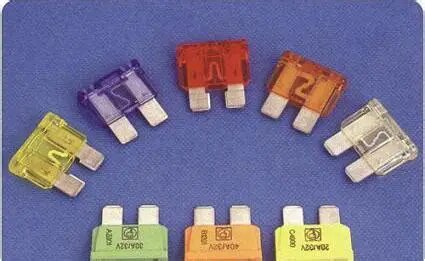
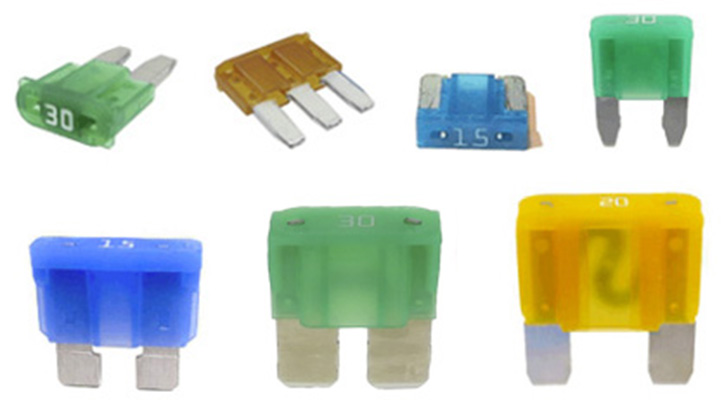
Key performance advantages of a correctly specified dome light fuse include predictable opening characteristics, stable performance across temperature swings, and strong resistance to vibration typical of automotive environments. Designers evaluate continuous current, cold‑crank voltage behavior, and transient peaks caused by door‑open events when multiple courtesy lamps energize simultaneously. Time‑delay automotive blade fuses can tolerate brief inrush while still protecting against sustained overloads, and low‑profile variants support compact fuse box layouts. Proper coordination with LED drivers helps avoid nuisance blows triggered by startup surges or pulse‑width modulation. Clear labeling of the dome light fuse position simplifies diagnostics, enabling technicians and end users to replace it quickly when troubleshooting non‑functional interior lamps.
Integration Into Maintenance And Troubleshooting Practices
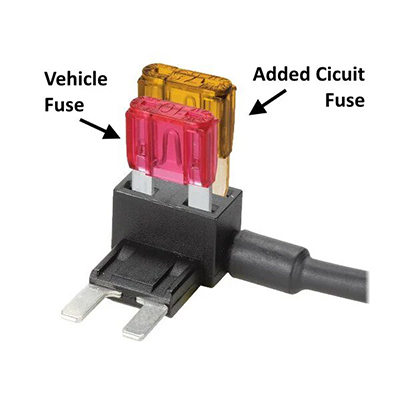
In service environments, the dome light fuse is often the first inspection point when interior lighting stops working. Technicians verify fuse continuity, inspect for discoloration, and then check downstream connectors and door switches. Using the correct replacement rating is crucial; oversizing the fuse to prevent repeated blowing can allow wiring to overheat in hidden cavities. For fleet operators and body builders adding aftermarket interior lamps, reserving capacity on the dome light circuit or installing additional fused branches helps maintain safe current margins. Documented fuse maps in owner’s manuals and service databases support quick identification, reducing downtime and improving user satisfaction by restoring interior visibility and keyless entry illumination.
Common Questions About Dome Light Fuses
1. Why does the dome light fuse blow repeatedly?
Repeated fuse opening usually indicates a shorted lamp socket, damaged harness in the door area, or moisture intrusion in connectors; the root cause must be located rather than increasing the fuse rating.
2. Can LED dome lights use the same fuse rating as incandescent bulbs?
Often yes, because total steady‑state current is lower, but engineers must verify inrush characteristics of the LED driver and ensure fuse coordination based on wire gauge and harness layout.
3. Where is the dome light fuse typically located?
In most vehicles the dome light fuse resides in the cabin or under‑dash fuse box, labeled as “DOME,” “INTERIOR,” or “ROOM,” and its exact position is detailed in the vehicle fuse chart or service manual.