Door Lock Fuse Protects Central Locking System Against Electrical Damage Risks
News 2025-11-17
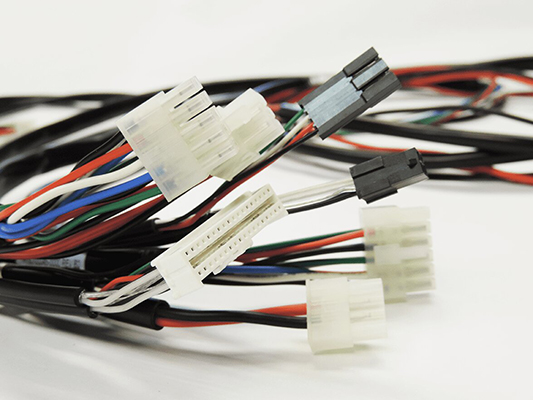
Modern vehicles rely on electronic central locking to deliver security, comfort, and smart access features. At the heart of this system, the door lock fuse plays a quiet yet decisive role. It isolates and protects lock actuators, control modules, wiring harnesses, and keyless entry units from overcurrent events that could otherwise cause costly failures. By acting as a sacrificial element, the fuse helps maintain system integrity and reduces downtime, which is crucial in both passenger and commercial vehicle applications.
Function and Working Principle of the Door Lock Fuse
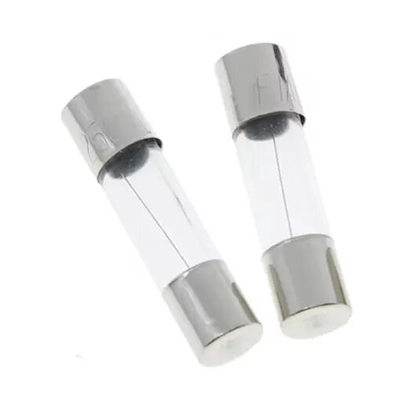
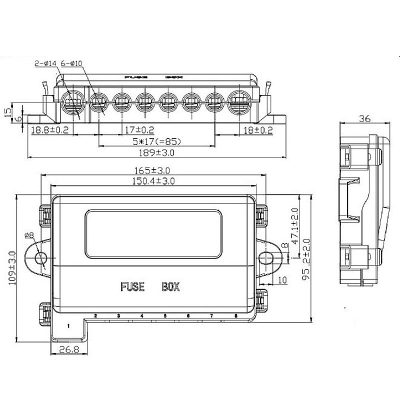
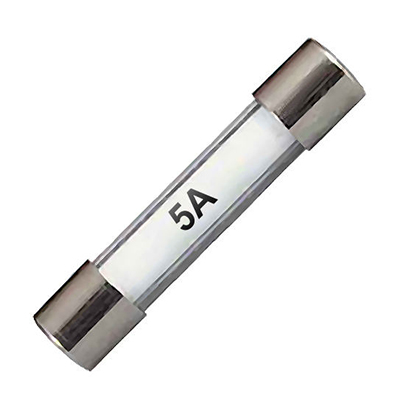
The door lock fuse is placed in the vehicle’s fuse box on the dedicated central locking or body control circuit. When current remains within the rated limit, the fuse allows clean power delivery to actuators and electronic controllers. A short circuit, pinched wire, water intrusion, or faulty actuator can cause current to spike. The fuse element then heats up and opens the circuit, cutting power before excessive heat damages insulation, PCBs, or semiconductor components. This predictable behavior enables engineers to design systems where the fuse is the weakest, most easily replaced link, ensuring that the core central locking hardware remains protected under abnormal conditions.
Key Performance Advantages in Automotive Applications
From an engineering perspective, a well-specified door lock fuse contributes to higher system reliability and lower lifecycle cost. Accurate current ratings minimize nuisance blows while still responding rapidly to genuine overcurrent events. Low internal resistance supports stable voltage levels at actuators, improving lock response and cycle times, even under cold-crank or low-battery conditions. High interrupt ratings allow the fuse to safely clear faults in networks powered by modern high-capacity batteries. Automotive-grade fuses also withstand vibration, temperature swings, and humidity typically experienced in door harnesses, engine bays, and cabin fuse panels, supporting long-term performance in harsh environments.
Application Scenarios in Modern Central Locking Systems
The door lock fuse is widely used in conventional central locking, remote keyless entry, and smart key systems that integrate proximity sensors and telematics modules. In fleet vehicles and delivery vans, where doors are cycled hundreds of times per day, the fuse protects intensively used actuators and wiring from mechanical wear-induced shorts. Electric and hybrid vehicles, which often include more complex body control architectures, rely on correctly rated fuses to safeguard multiplexed communication lines and shared power rails within the door control domain. In aftermarket applications, such as retrofitted keyless entry or upgraded alarm systems, choosing a fuse aligned with the new load prevents damage to both OEM harnesses and added control units.
Selection, Maintenance, and Troubleshooting Considerations
Selecting a suitable door lock fuse requires attention to current rating, time-current characteristics, package size, and compliance with automotive standards such as ISO and SAE specifications. Technicians should replace blown fuses only after identifying root causes, such as damaged connectors, corrosion in door jambs, or misrouted harnesses. Simply installing a higher-rated fuse can mask the problem and transfer stress to more expensive modules. Routine inspection of fuse boxes, especially in vehicles operating in humid or dusty environments, helps prevent contact resistance increase and intermittent lock failures. In diagnostic workflows, a repeatedly blowing door lock fuse serves as a valuable indicator that a localized fault exists in the central locking circuit.
Common Questions About Door Lock Fuses
1. What symptoms indicate a blown door lock fuse?
Drivers may notice that all power door locks stop working, remote keyless entry fails to actuate any door, or only mechanical key operation remains functional. Dashboard warning messages related to body control or security systems can also appear when the fuse is open.
2. Can a larger fuse rating be used to prevent repeated failures?
Using a higher-amperage fuse is not recommended. It may temporarily stop the fuse from blowing, but the higher rating allows excess current to reach wiring, actuators, and control modules, creating a risk of overheating, insulation damage, or even fire.
3. How often should the door lock fuse be inspected or replaced?
Under normal conditions, the fuse does not require scheduled replacement and can last the lifetime of the vehicle. Inspection is advised when central locking issues arise, after water ingress events, or during major electrical service to confirm proper contact and integrity.