Dual-Use Marine Automotive Battery Box With Drainage And UV Protection For Demanding Power Systems
News 2025-11-17
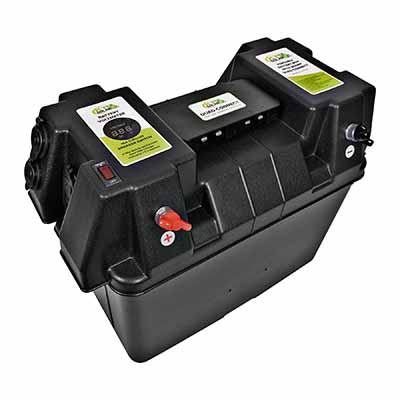
Marine and off-road electrical systems place unique demands on energy storage, and the battery enclosure has become a key component in achieving stable performance. A dual-use marine automotive battery box with integrated drainage and UV protection is designed to safeguard batteries across boats, RVs, trucks, and specialty utility vehicles. By combining mechanical protection, environmental resistance, and smart layout, it supports higher system uptime, safer operation, and longer battery life in harsh outdoor conditions.
Application Scenarios Across Marine and Automotive Sectors
This dual-use battery box is engineered for environments where moisture, salt spray, oil, mud, and solar radiation coexist. On marine vessels, it serves as the primary enclosure for starting batteries, trolling motor packs, and auxiliary power banks used for navigation electronics, depth sounders, and communication systems. In the automotive domain, it suits off-road trucks, overlanding rigs, emergency service vehicles, small construction machinery, and tow trailers that need stable power in exposed locations. The common platform simplifies inventory for integrators who serve both marine and automotive customers, while standardized mounting patterns support quick installation on decks, bulkheads, chassis rails, or cargo compartments.
Key Structural Features, Drainage Design, and UV Shielding
The housing typically uses high-impact, UV-stabilized polymer or fiberglass-reinforced material, preventing embrittlement and discoloration under long-term sunlight. Reinforced corners and ribbed sidewalls resist vibration and mechanical shock from wave impact or rough terrain. The integrated drainage system channels condensed water or splash ingress away from terminals and connectors, often through molded channels and bottom outlets that can be routed via hoses. Raised battery platforms keep cells above residual liquid, reducing corrosion risk. UV-protective additives and pigments in the enclosure block harmful radiation that accelerates insulation breakdown, seal cracking, and cable sheath aging, which is crucial for vessels stored outdoors and vehicles parked in open yards.
Performance Advantages for Safety, Longevity, and Maintenance
By combining drainage with UV-resistant construction, the battery box delivers measurable lifetime benefits. Reduced moisture exposure lowers the probability of stray leakage currents, sulphation on terminals, and galvanic corrosion, especially in saltwater regions. The sealed yet vented design can accommodate lead-acid, AGM, or lithium iron phosphate packs, enabling gas dissipation while limiting intrusion of spray or dust. Integrated tie-down points and internal bracing control battery movement under acceleration, braking, or hull slap, enhancing safety during extreme maneuvers. Many designs offer cable management channels, grommeted entry points, and label zones for circuit identification, which simplifies periodic inspection and accelerates troubleshooting for marine electricians and automotive technicians.
Integration Considerations and Selection Criteria for Engineers
When specifying a dual-use marine automotive battery box, engineers should evaluate IP rating, chemical resistance, and compatibility with the target battery format and capacity. Dimensions must allow for thermal expansion, insulation clearance, and space for fuses, busbars, or battery management system modules. Drainage ports should be positioned to match the hull or chassis layout, preventing backflow during heavy seas or water crossings. For UV exposure, enclosures with certified outdoor weathering performance reduce maintenance intervals and minimize unplanned downtime. Color selection, surface texture, and mounting orientation can also impact heat absorption and service access. Coordinating the battery box with cable lugs, corrugated loom, and protective circuit devices helps create a cohesive power distribution architecture tailored to demanding marine and automotive deployments.
1, What types of vehicles and boats benefit most from this battery box?
This enclosure is ideal for fishing boats, workboats, sailboats, off-road trucks, RVs, utility trailers, and emergency response vehicles that operate outdoors and face vibration, moisture, and strong sunlight.
2, How does the drainage system improve electrical performance?
By directing water away from terminals and connectors, the drainage design reduces corrosion, prevents unintended conductive paths, and supports stable voltage delivery over the full service life of the battery pack.
3, Is the battery box suitable for modern lithium batteries?
Yes, as long as the internal dimensions and venting match the lithium module and its battery management system, the UV-resistant, vibration-tolerant housing provides an effective enclosure for both lithium and traditional lead-acid technologies.