Durable Fuse Technology Ensures Consistent Performance Safeguarding Automotive Electronics
News 2025-11-17
Durable fuse consistent performance safeguards car electronic components from damage by providing predictable protection against overload, short circuit, and transient events. In modern vehicles, densely packed control units, infotainment systems, ADAS modules, and battery management electronics depend on stable, precisely engineered circuit protection. High-quality fuses prevent localized faults from propagating across wiring harnesses and power distribution networks, helping manufacturers meet strict safety, reliability, and warranty requirements while reducing maintenance costs over the vehicle lifetime.
Key Automotive Application Scenarios
Durable fuses are deployed throughout the vehicle electrical architecture, from primary battery connections to low-voltage sensor lines. In engine compartments they protect alternator outputs, starter circuits, cooling fans, and electric pumps from overcurrent faults triggered by mechanical seizure or wiring damage. Inside the cabin, fuse blocks safeguard infotainment systems, HVAC controllers, power seats, and window lifters against motor stall or connector misalignment. In electric and hybrid vehicles, high-performance fuses protect on-board chargers, DC/DC converters, high-voltage junction boxes, and battery modules from dangerous fault currents, supporting safe energy management and thermal control.
Performance Characteristics That Protect Electronics
Consistent fuse performance depends on tightly controlled melting characteristics, stable resistance, and repeatable time-current curves. Automotive-grade fuses are engineered to operate reliably across wide ambient temperature ranges, intense vibration, and exposure to moisture or contaminants. Fast-acting options interrupt fault currents quickly to protect sensitive ECUs, MOSFETs, and precision sensors from surge damage. Time-lag variants tolerate inrush currents from motors or capacitive loads without nuisance opening. Low internal resistance reduces voltage drop and heat generation, supporting efficiency targets and improving long-term stability of surrounding components.
Design Advantages in Modern Vehicle Architectures
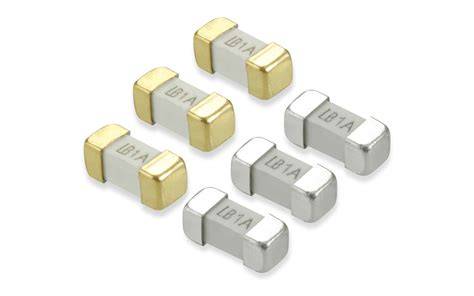
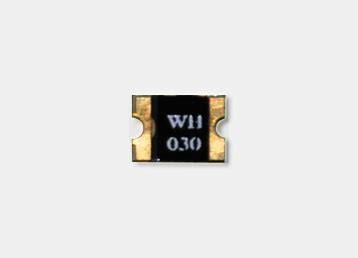
Using durable fuses in distributed power architectures offers clear design benefits. Compact surface-mount fuses support high-density ECU layouts, freeing board space for microcontrollers and communication interfaces. Standardized footprint and current ratings simplify global platform designs and streamline supply chains. Stable breaking capacity and coordinated selectivity allow designers to implement layered protection, ensuring that the fuse closest to the fault opens first, preserving upstream wiring and main distribution units. This predictability simplifies diagnostics, reduces downtime in workshops, and supports compliance with automotive safety and EMC standards.
Impact on Safety, Reliability, and Maintenance
Consistent fuse operation directly contributes to occupant safety and functional reliability. By interrupting fault currents cleanly, durable fuses reduce fire risk, prevent connector overheating, and protect mission-critical systems such as steering, braking, and ADAS sensors. Clear rating marks and standardized locations help service technicians identify faulted circuits quickly, reducing troubleshooting time and minimizing replacement errors. Long service life under harsh operating conditions lowers the probability of spontaneous fuse fatigue, supporting longer maintenance intervals, stable warranty performance, and stronger customer confidence in vehicle electronics.
1. How do durable fuses protect sensitive ECUs?
They open rapidly during overcurrent or short-circuit events, limiting energy let-through and preventing thermal and electrical stress that could damage microcontrollers, power drivers, and communication transceivers.
2. Where are durable fuses typically placed in EVs?
They are installed in battery packs, high-voltage distribution units, on-board chargers, DC/DC converters, and auxiliary low-voltage circuits to isolate faults and protect both wiring and semiconductor devices.
3. Why is consistent fuse performance important for OEMs?
Predictable time-current behavior simplifies circuit design, supports compliance with safety regulations, reduces warranty claims, and improves the overall durability and reliability of automotive electronic systems.