Durable plastic battery box for secure protection of modern vehicle batteries
News 2025-11-17
Durable plastic battery boxes play a crucial role in protecting modern vehicle batteries from harsh operating environments. Designed for passenger cars, commercial trucks, off‑road machinery, and marine applications, these enclosures shield sensitive cells and terminals from vibration, moisture, and road debris. By stabilizing temperature and preventing accidental short circuits, a properly engineered plastic housing helps extend battery life, maintain starting performance, and reduce unexpected downtime across diverse fleets.
Key structural features of the plastic battery box
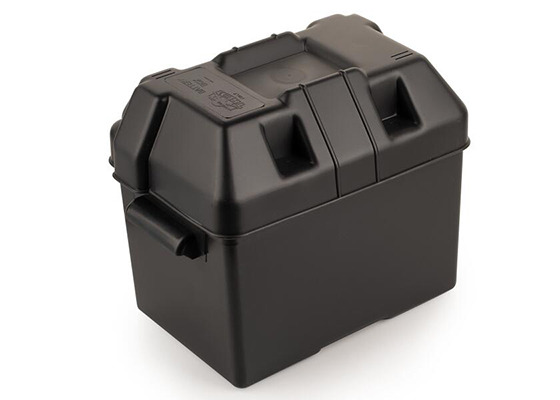
A durable plastic battery box is engineered with thick walls, reinforced corners, and integrated ribs to withstand continuous vibration and mechanical shock. High‑impact polypropylene or ABS materials deliver strong resistance to cracking, even in low‑temperature conditions. Precision‑molded covers fit tightly over the base to prevent the ingress of dust and splashed water, while cable exit points are shaped to minimize strain on terminals. Many designs include built‑in handles, mounting flanges, and latch systems for secure installation in engine compartments, under‑seat locations, or external chassis mounts.
Performance benefits and environmental protection
Robust plastic battery enclosures contribute directly to electrical reliability by isolating the battery from contaminants that cause corrosion and leakage currents. The non‑conductive housing reduces the risk of accidental contact between tools, body panels, and live terminals during service operations. Chemical‑resistant plastics tolerate exposure to engine oil, road salt, and battery electrolyte, preserving mechanical integrity over long duty cycles. Integrated venting options help manage gas release in lead‑acid systems, improving safety in enclosed cabins and tight engine bays while conforming to automotive and marine standards.
Typical application scenarios in vehicles and equipment
These plastic battery boxes are widely deployed in passenger vehicles, vans, and heavy‑duty trucks where batteries are exposed to continuous vibration and varying temperatures. Construction and agricultural machinery benefit from rugged housings that protect power supplies in dusty, muddy job sites. In marine environments, corrosion‑resistant plastics shield batteries from spray and intermittent immersion, supporting dependable cranking power for outboard engines and onboard electronics. Recreational vehicles, caravans, and off‑grid power systems also rely on enclosed battery compartments to safely integrate inverter, lighting, and communication equipment.
Customization options for OEM and aftermarket use
To meet diverse installation requirements, manufacturers offer plastic battery boxes in multiple footprints and heights compatible with standard automotive and deep‑cycle battery formats. Options include adjustable hold‑down brackets, drain channels, and pre‑formed mounting holes to align with OEM chassis dimensions. Some models integrate cable glands, fuse blocks, or circuit breakers for compact power distribution. Custom color matching, logo embossing, and labeling areas help vehicle brands and equipment makers maintain a consistent visual identity while delivering clear safety and polarity markings for service technicians.
1What materials are typically used in durable battery boxes?
Most durable plastic battery boxes use high‑impact polypropylene or ABS, offering strong resistance to impact, chemicals, and temperature extremes suitable for automotive and marine environments.
2Can a plastic battery box be installed in an engine compartment?
Yes, many designs are specifically rated for under‑hood use, with heat‑stable plastics, reinforced mounts, and venting features that withstand engine‑bay temperatures and vibration.
3How does a battery box improve maintenance safety?
The enclosure isolates terminals, reduces accidental short circuits, contains minor leaks, and provides clear access points for cables, helping technicians work safely during battery replacement or inspection.