Durable Wire Harness Parts for Automotive Brake System Electrical Connections
News 2025-10-31
Wire harness parts are critical components in modern automotive systems, particularly in ensuring reliable electrical connections within the brake system. These parts integrate multiple wires and connectors to facilitate seamless communication between sensors, control units, and actuators, enhancing overall vehicle safety and performance. In the context of automotive brake systems, durable wire harnesses help prevent failures that could lead to accidents, making them indispensable for both standard and advanced braking technologies. By providing robust electrical pathways, they support the efficient operation of features like anti-lock braking systems (ABS) and electronic stability control (ESC), contributing to better handling and reduced stopping distances.
Applications in Automotive Brake Systems
In automotive brake systems, wire harness parts are extensively used in various applications to connect components such as brake fluid pressure sensors, wheel speed sensors, and the electronic control module (ECM). For instance, in hybrid and electric vehicles, these harnesses manage high-voltage connections that are essential for regenerative braking, where energy is recaptured during deceleration. Additionally, they play a key role in adaptive cruise control systems that integrate braking with radar or camera inputs, ensuring precise and timely responses. The durability of these parts is crucial in harsh environments, including exposure to road salt, extreme temperatures, and vibrations, which are common in automotive settings. This makes wire harnesses vital for maintaining system integrity in both passenger cars and commercial trucks, where reliability directly impacts safety and operational efficiency.
Performance Advantages of Durable Wire Harnesses
Durable wire harness parts offer several performance benefits that enhance the longevity and efficiency of automotive brake systems. Constructed from high-quality materials like reinforced polymers and corrosion-resistant metals, these harnesses provide superior resistance to wear, abrasion, and environmental factors, extending their service life and reducing maintenance costs. Their design minimizes electrical resistance and signal loss, ensuring accurate data transmission for critical functions such as brake force distribution and traction control. Furthermore, advanced sealing techniques make them waterproof and dustproof, protecting against moisture ingress that could cause short circuits or failures. These attributes not only improve system reliability but also contribute to fuel efficiency by optimizing energy use in braking operations, making them a smart choice for manufacturers aiming to meet stringent industry standards and regulatory requirements.
Frequently Asked Questions
1. What are wire harness parts in automotive systems?
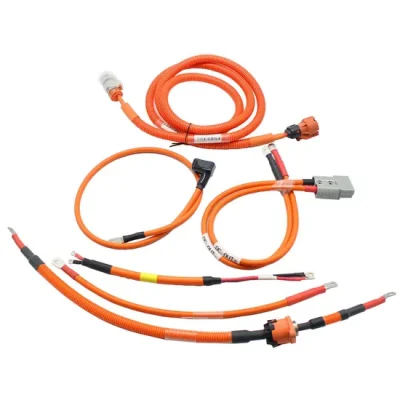
Wire harness parts are bundled assemblies of wires, connectors, and terminals that organize and protect electrical connections, ensuring organized routing and reduced risk of damage in vehicles.
2. How do durable wire harnesses improve brake system performance?
They enhance performance by providing reliable, low-resistance connections that maintain signal integrity, reduce failure rates, and support advanced features like ABS and ESC for safer braking.
3. What materials are commonly used in these wire harnesses?
Common materials include high-grade copper for conductors, thermoplastic elastomers for insulation, and stainless steel or aluminum for connectors, offering durability and resistance to environmental stresses.