Efficient Wire Harness Configurations for Automotive Cooling System Electricals
News 2025-10-31
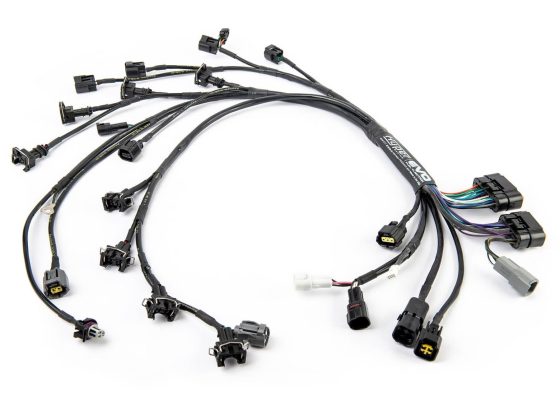
Wire harnesses play a crucial role in modern automotive systems, particularly in cooling setups where electrical efficiency directly impacts vehicle performance and longevity. In automotive cooling systems, these harnesses connect components like radiators, fans, and sensors, ensuring seamless data transmission and power distribution. By optimizing configurations, engineers can reduce energy loss, enhance thermal management, and improve overall system reliability. This approach is vital in both electric and internal combustion engine vehicles, where efficient cooling prevents overheating and maintains optimal operating temperatures.
Design Considerations
Effective wire harness design begins with selecting appropriate materials and layouts to withstand automotive environments. High-temperature resistant insulation and corrosion-proof connectors are essential for cooling system applications, where exposure to heat and fluids is common. Compact routing minimizes space usage and weight, which is critical in space-constrained engine compartments. Additionally, incorporating shielding reduces electromagnetic interference, ensuring accurate sensor readings and reliable operation of cooling fans and pumps. These design elements collectively contribute to a robust system that supports efficient energy use and longevity.
Application in Cooling Systems
In automotive cooling scenarios, wire harnesses integrate with components such as thermostats, water pumps, and electronic control units to manage heat dissipation effectively. For instance, in electric vehicles, they facilitate connections between battery cooling circuits and thermal management systems, enhancing range and safety. In traditional engines, optimized harnesses enable precise control of radiator fans and coolant flow, improving fuel efficiency. This adaptability makes them ideal for diverse applications, from high-performance sports cars to commercial fleets, where consistent cooling performance is key to preventing component failure and ensuring driver comfort.
Performance Advantages
Optimized wire harness configurations offer significant benefits, including reduced electrical resistance that lowers power consumption and heat generation. This leads to better fuel economy in conventional vehicles and extended battery life in EVs. Furthermore, streamlined designs enhance durability, reducing maintenance costs and downtime. By improving signal integrity and response times, these harnesses support advanced cooling strategies, such as variable speed fans, which adapt to real-time conditions. Overall, such enhancements boost system efficiency, making wire harnesses a cornerstone of modern automotive engineering for reliable and high-performing cooling solutions.
Frequently Asked Questions
1. What is a wire harness in automotive contexts?
A wire harness is a bundled assembly of wires, connectors, and terminals that transmit electrical power and signals between components, simplifying installation and reducing failure risks.
2. How do efficient configurations improve cooling system performance?
They minimize energy loss and enhance component connectivity, leading to better heat management, reduced wear, and increased system reliability in various driving conditions.
3. What are common applications beyond cooling systems?
Wire harnesses are used in lighting, infotainment, and safety systems, providing organized electrical pathways that support overall vehicle functionality and integration.