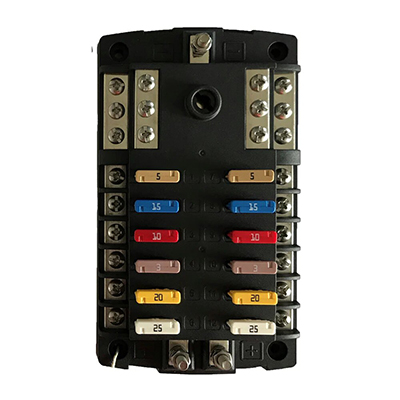
Emerging Wire Harness Systems for Hybrid Vehicle Electrical Designs
News 2025-10-31
Wire harnesses are critical components in the electrical architecture of hybrid vehicles, serving as the backbone for power distribution and signal transmission. As the automotive industry shifts towards electrification, these systems have evolved to support complex integrations of internal combustion engines and electric motors. This evolution addresses challenges like weight reduction, space optimization, and enhanced reliability, making wire harnesses indispensable for modern hybrid designs. By facilitating efficient energy flow and reducing electromagnetic interference, they contribute to overall vehicle performance and safety.
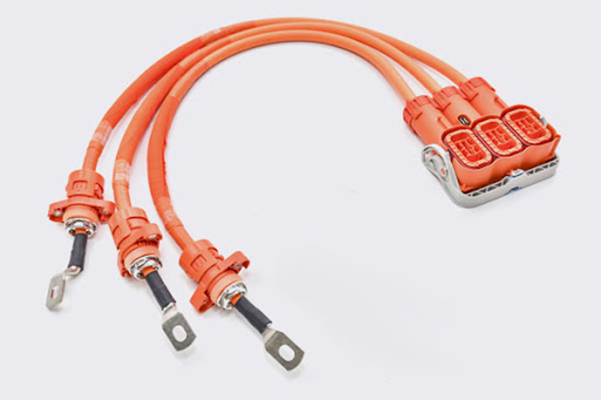
Applications in Hybrid Vehicles
Hybrid vehicles rely on wire harnesses in various key areas, such as the battery management system, powertrain controls, and infotainment networks. In battery packs, harnesses enable precise monitoring and distribution of high-voltage currents, ensuring safe operation during charging and discharging cycles. They also play a vital role in connecting sensors and actuators in the hybrid powertrain, allowing seamless coordination between the engine and electric components. Additionally, in advanced driver-assistance systems, wire harnesses support data transmission for features like regenerative braking and energy recovery, improving the vehicle’s adaptability to different driving conditions and enhancing user experience in urban and highway scenarios.
Performance Benefits
Wire harnesses offer significant advantages by reducing system weight and improving thermal management, which directly boosts fuel efficiency and extends battery life in hybrid vehicles. Their compact designs minimize cable lengths, lowering resistance and energy losses during power transfer. Moreover, the use of advanced materials like shielded cables and high-durability connectors enhances resistance to vibrations and environmental factors, leading to greater longevity and fewer maintenance needs. These improvements not only increase the overall reliability of the electrical architecture but also support faster charging times and better integration with renewable energy sources, making hybrid vehicles more competitive in terms of cost and sustainability.
Frequently Asked Questions
1. What is the primary function of a wire harness in hybrid vehicles?
A wire harness organizes and protects electrical connections, ensuring efficient power and signal flow in the vehicle’s complex systems.
2. How do wire harnesses contribute to energy efficiency?
By optimizing cable routing and using lightweight materials, wire harnesses reduce energy losses and support better thermal regulation in hybrid setups.
3. What challenges do wire harnesses address in hybrid designs?
They tackle issues like electromagnetic interference and space constraints, enabling reliable performance in the integrated electrical architecture of hybrid vehicles.