Ensuring Global Safety Compliance in Automotive Battery Enclosure Systems
News 2025-10-20
The automotive industry’s shift towards electrification demands rigorous safety standards for car battery boxes to mitigate risks like thermal runaway and electrical faults. These enclosures must comply with international regulations that safeguard users and the environment, influencing designs in electric and hybrid vehicles. By adhering to these standards, manufacturers enhance reliability and performance, reducing potential hazards in diverse driving conditions.
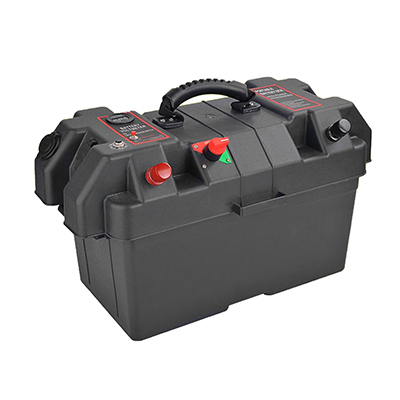
Global Regulatory Framework
Adherence to global regulations is essential for car battery box safety. Key standards include the UNECE R100 for electric vehicle safety, which addresses battery system integrity during crashes, and ISO 6469, focusing on protection against electric shock and fire. In regions like the EU and US, directives such as ECE R100 and FMVSS 305 ensure components withstand environmental stresses, promoting uniform safety across markets and facilitating international trade.
Application Scenarios in Electric Mobility
Car battery boxes play a critical role in electric vehicles (EVs) and hybrid electric vehicles (HEVs), where they protect high-voltage systems in urban commuting and long-distance travel. Compliance with safety standards enables integration into compact spaces, improving vehicle aerodynamics and energy efficiency. For instance, in fleet operations or ride-sharing services, these enclosures support frequent charge-discharge cycles, ensuring durability and minimizing downtime through enhanced thermal management and vibration resistance.
Performance Advantages and Innovations
Meeting global safety regulations drives innovations that boost battery box performance. Advanced materials like reinforced composites offer superior impact resistance and weight reduction, extending vehicle range in EVs. These designs also improve cooling efficiency, reducing the risk of overheating and enhancing battery lifespan. Consequently, compliant enclosures contribute to lower emissions and cost savings, making them vital for sustainable automotive solutions in both passenger and commercial applications.
Frequently Asked Questions
1. What key standards govern car battery box safety?
Answer: Major standards include UNECE R100 for crash protection and ISO 6469 for electrical safety, ensuring comprehensive risk mitigation.
2. How do these regulations impact vehicle design?
Answer: They require specific structural reinforcements and materials, leading to safer, more efficient designs that integrate seamlessly with vehicle systems.
3. What benefits do compliant battery boxes provide?
Answer: They enhance reliability, reduce maintenance needs, and allow global market access, supporting advancements in electric mobility.