Ensuring Stability: Secure Latch Systems in Truck Battery Boxes to Mitigate Movement Risks During Transit
News 2025-10-31
In the commercial vehicle sector, securing critical components like batteries is essential for safe and efficient operations. Battery movement during driving can cause significant issues, including electrical faults and potential accidents. The truck battery box with a secure latch offers a robust solution by firmly holding batteries in place, even on rough terrains. This design not only enhances safety but also supports the longevity of vehicle systems, making it a vital part of modern fleet management.
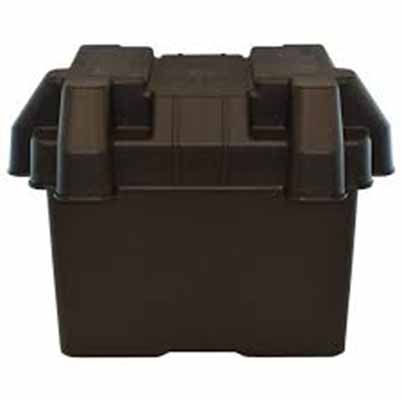
Core Design Features
The core design of this battery box incorporates a secure latch mechanism that uses advanced engineering to prevent any shift during motion. Constructed from high-durability materials, the latch features multiple locking points and vibration-dampening elements. This setup ensures compatibility with various battery types and truck models, providing a tailored fit that maintains stability without compromising accessibility for maintenance.
Practical Applications and Benefits
In diverse settings such as construction sites, long-distance hauling, and urban delivery routes, this battery box excels by addressing real-world challenges. It reduces the risk of battery damage from constant vibrations, leading to fewer replacements and lower costs. Key benefits include improved electrical reliability, enhanced vehicle performance, and compliance with safety regulations, ultimately contributing to smoother operations and reduced downtime for businesses.
Common Questions
1. What is the main function of the secure latch?
Answer: It locks the battery firmly to avoid movement and potential hazards during vehicle operation.
2. In what types of vehicles is this box most effective?
Answer: Primarily in trucks and heavy-duty vehicles where rough roads are common.
3. How does it impact battery lifespan?
Answer: By minimizing vibrations, it helps extend battery life and reduces wear on internal components.