Evolving Wire Harness Systems for Autonomous Vehicle Electrical Infrastructures
News 2025-10-31
In the rapidly advancing realm of autonomous vehicles, wire harness systems serve as the backbone of electrical infrastructures, enabling seamless integration of sensors, actuators, and control units. These systems must handle complex data flows and power distributions to support features like real-time decision-making and adaptive safety mechanisms, driving the need for cutting-edge designs that enhance reliability and efficiency in dynamic driving conditions.
Diverse Application Scenarios
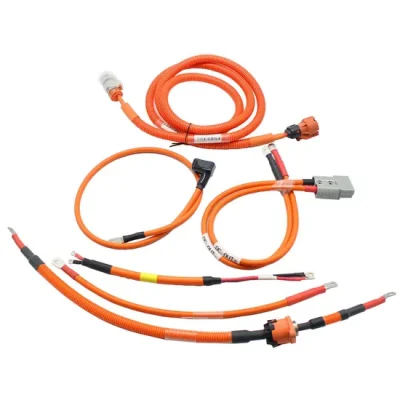
Autonomous vehicles deploy wire harnesses in critical areas such as sensor networks for object detection, where they connect devices like cameras and radars to central processors for precise environmental mapping. In power management, harnesses facilitate energy transfer in electric drivetrains, ensuring stable operation under varying loads. Additionally, they integrate communication systems for vehicle-to-everything (V2X) technologies, supporting functionalities like traffic signal recognition and collision avoidance in urban settings.
Significant Performance Advantages
Advanced wire harness technologies deliver key benefits, including reduced weight through innovative materials that improve fuel economy and extend range in electric models. They offer superior electromagnetic compatibility, minimizing interference in high-density electronic environments, which is vital for accurate sensor data. Furthermore, enhanced durability against environmental stresses like temperature fluctuations and vibrations ensures longer service life, reducing maintenance costs and supporting the high uptime required for autonomous operations.
1. What are the primary functions of wire harnesses in autonomous vehicles?
They bundle and protect wires to transmit power and data between components, ensuring efficient connectivity for systems like braking and steering controls.
2. How do these technologies contribute to vehicle safety?
By providing robust, high-speed connections, they enable quick data exchange that supports real-time hazard detection and response, lowering accident risks.
3. What materials are commonly used in modern wire harness designs?
Materials such as high-grade polymers, aluminum alloys, and shielded cables are utilized to offer flexibility, conductivity, and resistance to wear in demanding conditions.