Fuel pump fuse ensures fuel pump receives safe electrical current in demanding automotive systems
News 2025-11-17
In modern vehicles, the fuel pump circuit operates under tight electrical margins, and the fuel pump fuse ensures that the fuel pump receives safe electrical current under all driving conditions. This small yet vital protection device prevents wiring damage, pump failure, and even potential fire hazards caused by short circuits or overcurrent events. By interrupting the power path when abnormal current flow occurs, the fuse protects both the fuel delivery module and the broader electrical architecture. Correct fuse selection, placement, and maintenance are therefore central topics in automotive design, diagnostics, and repair.
Core function and operating principle
The fuel pump fuse is a sacrificial component inserted in series between the battery supply and the pump, usually through a relay and the engine control unit. Under normal load, current passes through a calibrated metal element inside the fuse without excessive heating. If a short circuit or locked-rotor condition makes the pump draw far more than its rated current, the element rapidly melts and opens the circuit. This quick disconnection stops power flow before temperatures rise to damaging levels in harnesses, connectors, and pump windings. Proper fuse rating must balance sensitivity and robustness so that normal inrush currents during pump start-up do not cause nuisance blowing.
Application scenarios in automotive and off‑highway equipment
Fuel pump fuses are widely used in passenger cars, light trucks, heavy-duty commercial vehicles, motorcycles, and off-highway machinery such as agricultural and construction equipment. In each scenario, the fuse protects not only the in-tank or in-line electric pump, but also associated components like pressure control valves and electronic fuel modules. Vehicles that operate in harsh environments, including high vibration, dust, or frequent thermal cycling, place extra stress on electrical systems; a correctly sized and located fuse helps maintain stable fuel delivery under these conditions. In hybrid and start-stop vehicles, where the pump may cycle frequently, dedicated fuse protection reduces downtime and maintenance costs.
Performance benefits and selection considerations
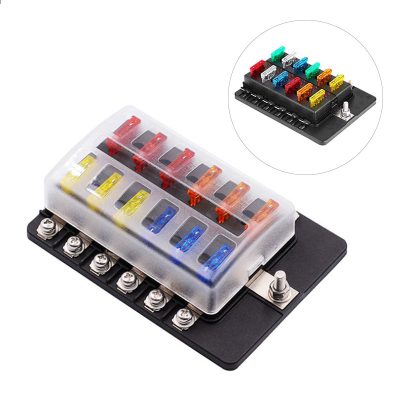
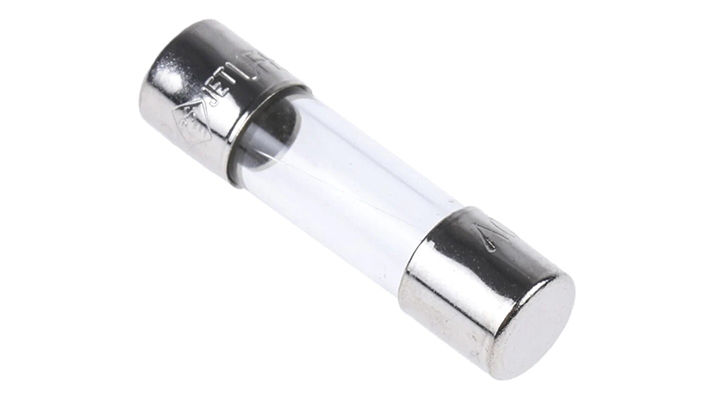
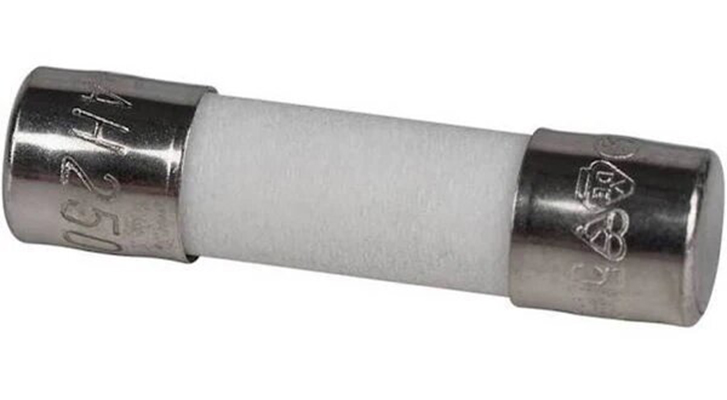
A well-matched fuel pump fuse improves system safety, reduces warranty claims, and supports consistent pump performance over the vehicle lifetime. Key performance factors include accurate current rating, precise time-current characteristics, low contact resistance, and stable behavior across wide temperature ranges. Engineers must evaluate pump nominal current, inrush peak, wiring gauge, and maximum fault current when choosing between blade, mini-blade, or cartridge fuse formats. High-quality fuses feature robust housings and corrosion-resistant terminals, supporting long-term reliability in engine bays and underbody fuse boxes that face moisture, road salt, and oil contamination.
Installation, diagnostics, and maintenance practices
Correct installation of the fuel pump fuse in the designated fuse panel or power distribution unit ensures predictable fault clearing and simplifies field service. Clear labeling on the fuse box cover and in the service manual enables technicians and users to locate the fuel pump circuit quickly during no-start conditions. When a blown fuse is discovered, best practice calls for diagnosing the underlying cause, such as chafed wiring, clogged pump causing overload, or internal short in the module, before replacing the fuse. Using the specified amperage and fuse type maintains design integrity; oversizing the fuse to prevent repeat blowing can allow hidden damage to escalate into severe failures.
FAQ on fuel pump fuses
1. What symptoms indicate a blown fuel pump fuse?
A sudden no-start condition, engine stalling shortly after key-on, and absence of fuel pump priming sound often point to a blown fuse that has interrupted power to the fuel pump.
2. Can a higher-amp fuse be used in the fuel pump slot?
Using a higher-amp fuse is unsafe, because it may allow excessive current that overheats wiring and the pump itself; always match the amperage and style specified by the vehicle manufacturer.
3. How often should a fuel pump fuse be replaced?
The fuse is not a routine service item; it should only be replaced when it has blown or shows signs of corrosion or mechanical damage, and the root cause of any failure should be identified first.