Fuse Box Electrical Protection for Family Cars and Passenger Vehicles
News 2025-10-31
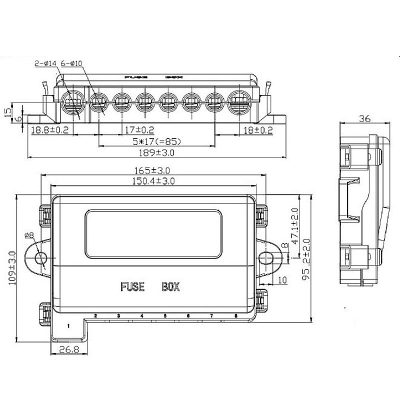
Fuse boxes play a crucial role in safeguarding the electrical systems of family cars and passenger vehicles. These components act as the first line of defense against electrical faults, such as overloads and short circuits, which can arise from various sources including faulty wiring or accessory malfunctions. By automatically interrupting the current flow, fuse boxes prevent damage to sensitive electronics and reduce the risk of fires, ensuring reliable performance during daily commutes and long trips. Their integration into vehicle design highlights their importance in maintaining safety and functionality for drivers and passengers alike.
Core Applications in Vehicle Electrical Systems
Fuse boxes are essential in protecting specific circuits within passenger vehicles. For example, they shield critical systems like lighting, power windows, and climate control from excessive current, which could stem from a malfunctioning component. In family cars, this protection extends to entertainment and navigation systems, where a sudden surge might otherwise cause widespread issues. Such applications ensure that even in high-demand scenarios, like driving in heavy traffic or towing, the electrical integrity remains intact, supporting seamless operation and enhancing overall vehicle reliability.
Key Performance Benefits
Fuse boxes deliver robust protection through features like precise current ratings and quick-response mechanisms that halt faults almost instantly. This capability not only extends the lifespan of vehicle components but also improves energy efficiency by avoiding unnecessary power consumption during failures. In passenger vehicles, their durable construction withstands vibrations and temperature fluctuations, making them ideal for diverse driving conditions. These attributes contribute to cost savings over time by reducing the need for frequent repairs and supporting the longevity of the car’s electrical infrastructure.
Frequently Asked Questions
1. What is the primary function of a fuse box in a car?
It protects electrical circuits by breaking the connection when current exceeds safe levels, preventing damage and hazards.
2. How do fuse boxes differ between family cars and other vehicles?
They are tailored to handle common household vehicle loads, focusing on safety features and accessories typical in daily use.
3. What signs indicate a problem with the fuse box?
Symptoms include frequent circuit failures, blown fuses, or electrical malfunctions that recur despite replacements.