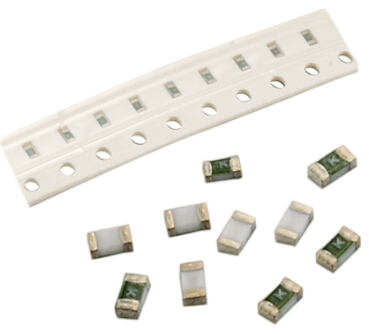
Fuse Box Innovations for Dual-System Electrical Safety in Hybrid Vehicles
News 2025-10-31
Hybrid vehicles integrate combustion and electric systems, creating intricate electrical networks that demand precise protection. Fuse boxes act as vital barriers, halting current flow during faults to avoid damage, fires, or system breakdowns. As electrification advances, these components ensure hybrid vehicles meet safety standards and operate reliably under diverse conditions.
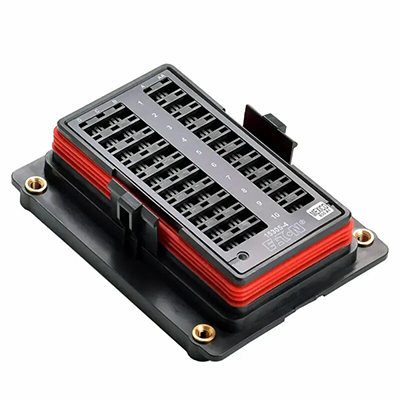
Application Scenarios
Fuse boxes protect critical areas in hybrid setups, such as high-voltage battery packs and low-voltage auxiliaries. In daily commutes, they guard against surges during stop-start cycles, while in highway driving, they manage power shifts between engines and motors. For commercial hybrids like buses, fuse boxes isolate faults in heavy-load scenarios, enhancing durability and preventing downtime in fleet operations.
Performance Advantages
These fuse boxes deliver fast fault isolation with high-capacity designs suited for hybrid demands, reducing repair needs and extending component life. Their compact builds fit tightly within vehicle architectures, and robust materials resist vibrations and temperature changes. Integration with monitoring systems allows early fault detection, boosting efficiency and minimizing energy waste in electric modes.
Frequently Asked Questions
1、What is the main purpose of fuse boxes in hybrid vehicles?
Answer: To interrupt electrical flow during overcurrent or shorts, protecting both high and low-voltage systems.
2、How do fuse boxes improve hybrid vehicle reliability?
Answer: By quickly isolating faults, they prevent widespread damage and ensure consistent performance across driving conditions.
3、Can fuse boxes be customized for different hybrid models?
Answer: Yes, they are often designed with modular features to adapt to specific voltage requirements and system configurations.