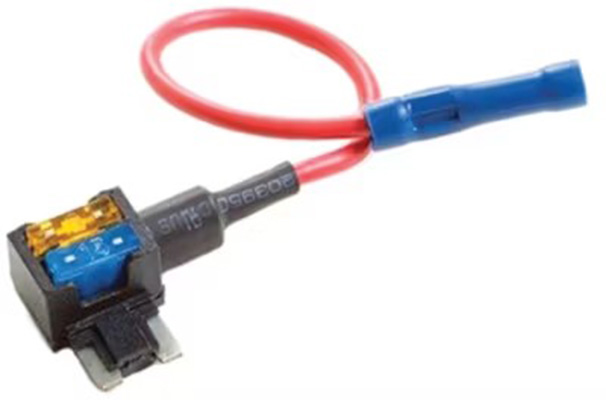
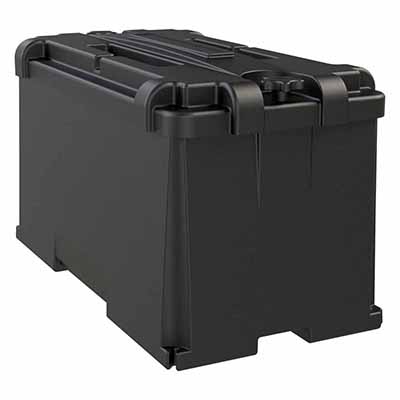
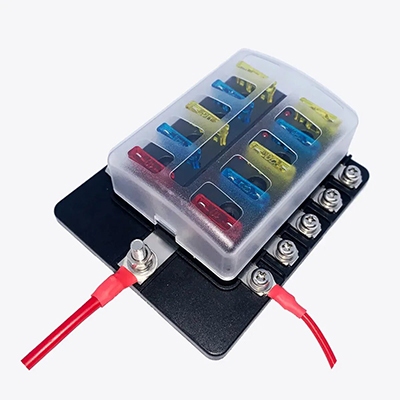
Fuse Boxes: Essential Protectors for Electrical Systems in Midsize Cars and Family Sedans
News 2025-10-31
In the automotive industry, fuse boxes are fundamental components that safeguard electrical systems from potential hazards. For midsize cars and family sedans, which cater to everyday family needs and longer commutes, these devices play a key role in preventing overloads and short circuits. By interrupting excessive current flow, fuse boxes help avoid fires, component damage, and system failures, ensuring reliable performance in vehicles designed for comfort and safety. This focus on electrical integrity is particularly vital as modern sedans incorporate more electronic features for enhanced driving experiences.
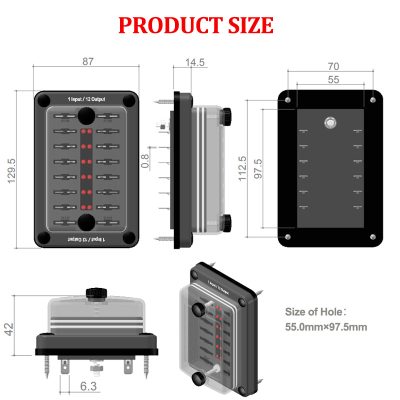
Key Application Scenarios
Fuse boxes find extensive use in various systems within midsize cars and family sedans. They protect critical areas such as lighting circuits, including headlights and taillights, which are essential for visibility during night driving or bad weather. Additionally, they shield power accessories like windows, seats, and entertainment systems, maintaining functionality without risk of electrical faults. In scenarios involving heavy electrical loads, such as air conditioning use in hot climates or during peak traffic, fuse boxes ensure that individual circuits do not overload, preserving overall vehicle operation and passenger safety.
Performance Advantages
Modern fuse boxes offer significant benefits that boost efficiency and durability in midsize vehicles. Their rapid response times to current surges minimize damage by quickly disconnecting faulty circuits, a crucial feature for high-usage family sedans. Constructed with heat-resistant materials, they withstand extreme temperatures and vibrations common in daily driving conditions. Moreover, advanced designs provide better organization and accessibility, allowing for quicker diagnostics and replacements, which reduces maintenance time and costs while enhancing the longevity of the vehicle’s electrical infrastructure.
Integration with Vehicle Safety Features
In contemporary midsize cars and family sedans, fuse boxes seamlessly integrate with evolving safety technologies. They support systems like anti-lock braking and stability control by delivering stable power, ensuring these features activate reliably during emergencies. This compatibility with onboard computers and sensors helps maintain consistent performance, reducing the likelihood of failures that could compromise safety. As automakers add more electronic aids, fuse boxes adapt to handle increased complexity, contributing to a safer driving environment for families on the road.
1. What is the main purpose of a fuse box in a car?
It protects electrical circuits by breaking the connection when too much current flows, preventing damage and potential fires.
2. How do fuse boxes improve safety in family sedans?
They isolate electrical faults quickly, safeguarding passengers and reducing risks associated with system malfunctions during daily use.
3. What factors should be considered when selecting a fuse box for midsize cars?
Key factors include the number of circuits it can handle, material durability, and compatibility with the vehicle’s specific electrical systems for optimal performance.