Glass Fuse Transparent Body Enabling Direct Inspection of Internal Filament Integrity
News 2025-11-17
Glass fuse transparent body allows visual inspection of filament condition and supports safe, accurate protection of low‑voltage and signal circuits. By encasing the fusible element in clear glass, engineers, maintenance staff, and quality inspectors can instantly assess whether the filament is intact, partially damaged, or completely blown. This simple visual feedback reduces diagnostic time, limits unnecessary component replacement, and improves uptime in equipment ranging from household electronics to industrial control cabinets.
Construction Features and Visual Inspection Benefits
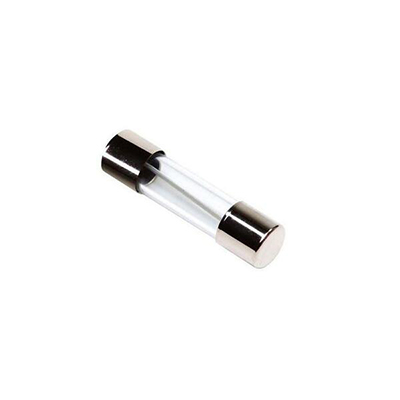
A glass fuse typically consists of a cylindrical glass tube, metallic end caps, and a calibrated metal filament or wire link. The transparent body exposes the entire length of the filament, the filler material if present, and any discoloration caused by overload events. Users can immediately see open circuits, melted sections, or sputtered metal deposits. This visual indicator is particularly useful during field service, where test instruments might be limited. Technicians can quickly separate genuine fault conditions from nuisance trips and identify repeated over‑current patterns suggested by filament darkening or localized damage.
Performance Characteristics and Safety Behavior
Glass fuses are manufactured in fast‑acting and time‑lag variants, with precisely defined current‑time curves that match the demands of sensitive electronics or inductive loads. Their transparent housing does not compromise interrupting capacity or thermal stability when correctly rated. The glass body withstands arc energy while containing vapors and fragments, enabling safe operation under specified short‑circuit levels. Visual access to the filament helps confirm that the fuse responded correctly to an over‑current event, supporting root‑cause analysis and preventing unsafe bypassing practices such as replacing blown fuses with oversize ratings.
Application Scenarios in Electronic and Industrial Systems
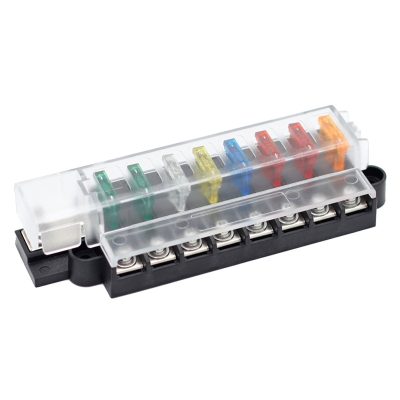
Transparent glass fuses are widely used in consumer power adapters, test and measurement equipment, medical devices, lighting systems, and low‑voltage power distribution panels. In laboratory environments, engineers rely on visual inspection to confirm protection status before energizing prototypes or sensitive instruments. In machinery control panels, maintenance personnel can scan entire fuse banks at a glance, identifying blown units without removing covers or disconnecting wiring. This capability is particularly valuable in critical infrastructure, where downtime is costly and rapid fault localization directly improves service continuity and system availability.
Installation Practices and Selection Considerations
Correct selection of a glass fuse involves matching voltage rating, current rating, breaking capacity, and response speed to the target circuit. When using transparent fuses, designers often place them in open or semi‑open holders that preserve clear visibility while maintaining the required creepage distances. Regular visual inspections can be incorporated into preventive maintenance schedules, reducing dependence on complex diagnostics. Careful handling is important, as the glass body can be susceptible to mechanical shock; secure mounting and vibration‑resistant holders help maintain long‑term performance in industrial or vehicular environments.
FAQ on Glass Fuse Transparent Bodies and Filament Inspection
1. Why choose a transparent glass fuse body?
A transparent body allows instant visual confirmation of filament status, speeding up troubleshooting and minimizing downtime in service and maintenance operations.
2. Can visual inspection replace electrical testing entirely?
Visual inspection is a strong first step, but it should complement standard electrical testing, particularly in safety‑critical or high‑value equipment.
3. Where are glass fuses with visible filaments most commonly applied?
They are widely used in consumer electronics, instrumentation, low‑voltage power supplies, and industrial control panels where quick status checks are important.