Global Market Demand for Battery Box Compatibility Across Imported Vehicle Platforms
News 2025-11-17
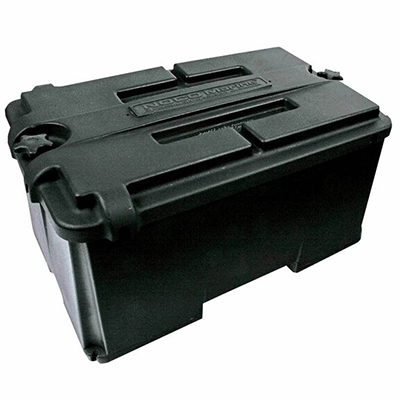
Battery box compatible imported car models global market needs are expanding rapidly as vehicle electrification and smart energy systems move into the mainstream. OEMs, fleet operators, and aftermarket integrators are looking for standardized, high‑performance battery enclosures that can be deployed across multiple brands and regions. This trend is reshaping requirements for mechanical design, safety compliance, and thermal management, pushing suppliers to deliver battery boxes that support diverse pack formats, voltages, and communication interfaces without sacrificing durability or safety.
Key Global Market Drivers
Rising adoption of hybrid and fully electric vehicles in Europe, North America, and Asia-Pacific is the primary driver for battery box compatible imported car models global market needs. Governments tighten emission regulations and promote incentives, encouraging cross-border vehicle platforms and shared architectures. Importers demand battery boxes that comply with UNECE R100, ISO 6469, and local fire and transport regulations while fitting various chassis layouts. At the same time, fleets and leasing companies push for standardized enclosures to simplify maintenance, reduce inventory complexity, and ensure predictable lifecycle costs across mixed-brand EV portfolios.
Application Scenarios and Integration Requirements
Battery box compatibility is crucial in multiple application scenarios: passenger EVs, plug‑in hybrids, light commercial vans, last‑mile delivery vehicles, and off‑highway utility platforms imported into new markets. In retrofit and conversion projects, installers require enclosures that integrate with existing mounting points, crash structures, and wiring harnesses. High ingress protection ratings, such as IP67 or higher, support harsh outdoor use and frequent pressure washing in logistics fleets. For smart city and V2G projects, compatible battery boxes must support standardized connectors, BMS interfaces, and high‑voltage distribution to communicate seamlessly with charging infrastructure and energy management systems.
Performance Advantages and Design Features
To meet battery box compatible imported car models global market needs, suppliers focus on performance advantages such as lightweight yet robust housings using aluminum alloys or high‑strength composites, optimized thermal paths for uniform cell temperature, and integrated fire‑protection barriers. Finite element analysis enables high crash resistance with minimal added mass, supporting both underfloor and rear‑mounted configurations. Advanced sealing systems, desiccants, and pressure‑relief valves protect against moisture ingress, gas buildup, and thermal runaway propagation. Standardized mounting rails, modular internal trays, and configurable cable entries allow the same enclosure family to serve multiple pack sizes and chemistries, cutting engineering time and tooling costs.
Future Outlook and Sourcing Considerations
Growing cross‑regional trade in EV platforms will intensify demand for globally homologated battery boxes that pass multiple regulatory regimes with a single design. Purchasing teams will prioritize vendors that offer full documentation, PPAP support, and traceability, along with in‑house testing for vibration, salt spray, and thermal cycling. Integration with digital twins and IoT monitoring will increase, enabling predictive maintenance and better warranty control for imported vehicles operating in demanding climates. Suppliers able to deliver scalable production, stable lead times, and strong engineering support for localization will capture a significant share of the battery box compatible imported car models global market needs.
1. What standards should a globally compatible battery box meet?
It should target UNECE R100, ISO 6469, relevant UL and IEC high‑voltage standards, and local transport and fire codes in all target import markets.
2. How does a modular battery box reduce total cost of ownership?
A modular enclosure platform supports multiple vehicle models and pack sizes, lowering tooling costs, simplifying spare parts logistics, and reducing downtime for fleet maintenance.
3. Why is thermal management so important for imported EV battery boxes?
Consistent thermal conditions extend cell life, maintain range across hot and cold climates, and help prevent thermal runaway, which is crucial when vehicles operate in unfamiliar or harsh environments after import.