How a Cigarette Lighter Fuse Safeguards 12V Vehicle Power Outlets from Electrical Damage
News 2025-11-17
Cigarette lighter fuses play a key role in protecting 12V power outlets in passenger cars, trucks, RVs, and marine applications. Modern vehicles use the former cigarette lighter socket as a universal 12V accessory port, powering phone chargers, portable fridges, tire inflators, dashcams, and diagnostic tools. As the range and current draw of these devices grow, a correctly rated fuse prevents overheating, wire insulation failure, and damage to onboard electronic control units. Understanding how this simple component works helps engineers and technicians design safer in‑vehicle power architectures and troubleshoot failures efficiently.
Protective function and working principle
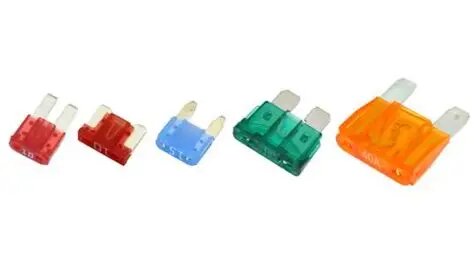
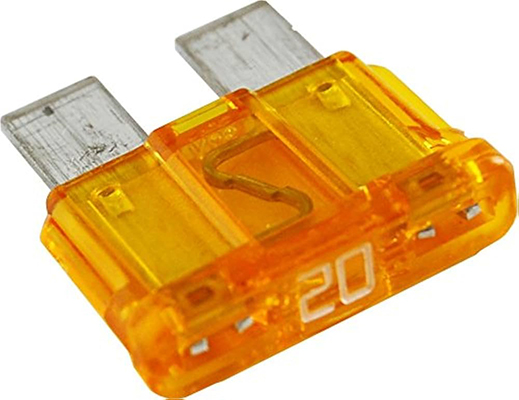
The cigarette lighter fuse is typically a blade or mini‑blade fuse installed in the vehicle’s fuse box, placed in series between the 12V battery supply and the outlet. Inside the fuse, a calibrated metal element melts when current exceeds its rated value for a defined time, creating an open circuit. This fast interruption prevents excessive current from flowing into the outlet wiring or connected equipment. Short circuits caused by damaged cables, liquid intrusion in the socket, or faulty accessories are cleared by the fuse before conductors reach temperatures that could degrade insulation or start a fire. Proper fuse selection balances fast response under fault conditions and tolerance of inrush currents when devices start up.
Application scenarios in modern vehicles
The 12V socket protected by a cigarette lighter fuse is used in numerous real‑world scenarios. Drivers often connect multiple USB chargers, GPS units, or dashcams through splitters, increasing the continuous load on the outlet. In commercial fleets, technicians power handheld test instruments, scanners, or portable printers from the same port. RV owners and off‑road users run portable coolers, air compressors, and inverters that draw higher current for extended periods. In each scenario, the fuse limits fault energy if a cable is pinched in a door, a plug is contaminated by metal debris, or an accessory fails internally. Proper circuit protection is especially important when vehicles operate long hours or in high ambient temperatures, where wiring is more stressed.
Performance advantages of correctly rated fuses
Selecting the right cigarette lighter fuse rating delivers clear performance advantages. A fuse matched to outlet wiring gauge and the maximum expected load reduces the risk of nuisance blowing while still interrupting overloads quickly. High‑quality automotive fuses offer predictable time‑current characteristics, low contact resistance, and stable behavior over a wide temperature range. This stability supports OEM design targets for thermal management and EMC performance, since uncontrolled overcurrent events can inject noise into the vehicle power bus. A properly engineered fuse solution also extends the service life of switches, relays, and the outlet contacts by preventing excessive arcing under fault conditions, improving system uptime and user satisfaction.
Selection, maintenance, and safety best practices
Engineers and aftermarket installers should always verify the outlet’s designed load capacity and follow the fuse rating specified by the vehicle manufacturer. Using a fuse with a higher rating than specified can allow wiring to overheat before the fuse clears, while undersized fuses may open during normal accessory use. Only approved fuse types that match the original physical format and voltage rating should be installed, and any signs of discoloration or deformation in the fuse holder or socket indicate that the circuit requires inspection. Users should avoid daisy‑chaining high‑power devices through low‑cost splitters and must never bypass the fuse using direct wires or foil, as this defeats the protective function and significantly increases fire risk.
1. Why does the 12V outlet stop working after using a high‑power device?
A blown cigarette lighter fuse is the most common cause. The connected device may have drawn current above the fuse rating, opening the circuit and disabling the outlet until the correct fuse is replaced.
2. Can I upgrade the cigarette lighter fuse to support more devices?
Increasing the fuse rating without upgrading the wiring and outlet is unsafe. The fuse must match the cable size and OEM design; otherwise, the wiring can overheat before the fuse operates.
3. How often should the cigarette lighter fuse be inspected or replaced?
Under normal conditions the fuse does not require periodic replacement. It should be checked whenever the 12V outlet fails, after visible wiring damage, or following installation of new high‑current accessories.