Innovative Battery Housing Solutions for Maximizing Durability and Load-Bearing Capacity in Heavy-Duty Truck Applications
News 2025-10-20
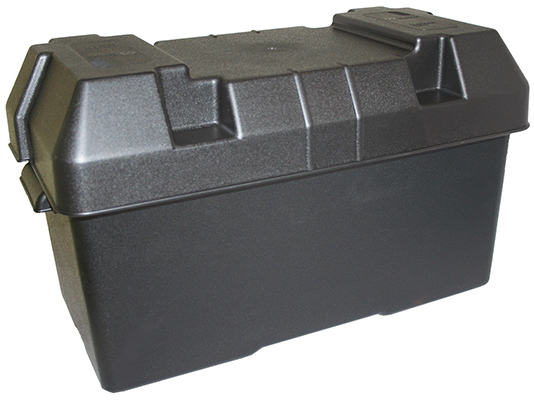
In the demanding world of heavy-duty trucking, battery boxes are essential for powering critical systems like lighting, GPS, and increasingly, electric propulsion. These components face rigorous challenges, including extreme temperatures, vibrations, and heavy loads, making durability and load capacity key factors for reliable performance. As the industry shifts towards electrification, advanced battery box designs are crucial for enhancing vehicle uptime and efficiency in sectors such as logistics, construction, and mining.
Application Scenarios
Heavy-duty trucks operate in varied and harsh environments, from dusty construction sites to long-haul routes with constant road shocks. In mining operations, battery boxes must endure abrasive materials and high-impact conditions, while urban delivery trucks require compact designs that fit within tight spaces yet handle frequent stop-start cycles. For electric heavy-duty vehicles, these enclosures support large battery packs, ensuring safe integration with high-voltage systems and maintaining functionality under thermal stress, thus enabling broader adoption in sustainable transport solutions.
Performance Advantages
Battery boxes for heavy-duty trucks boast superior durability through the use of robust materials like high-grade aluminum alloys and impact-resistant polymers, which resist corrosion and fatigue over extended use. Enhanced load capacity comes from engineered structures that optimize weight distribution and incorporate reinforced mounting points, allowing them to support heavier battery assemblies without deformation. These attributes not only reduce maintenance needs but also improve energy efficiency by minimizing energy loss and heat buildup, making them ideal for high-stakes applications where reliability directly impacts operational costs and safety.
Frequently Asked Questions
1. What materials are commonly used in durable battery boxes?
Answer: High-strength metals and composites, such as aluminum and fiberglass-reinforced plastics, are used to provide resistance to corrosion, impacts, and thermal changes.
2. How does load capacity affect battery box performance?
Answer: Higher load capacity enables the support of larger batteries, extending vehicle range and runtime while ensuring the box maintains structural integrity under stress.
3. What testing methods ensure battery box durability?
Answer: Rigorous tests including vibration simulations, thermal cycling, and load-bearing trials are conducted to meet industry standards and guarantee long-term reliability.