Key Aspects of Corrosion Resistance in Wire Harnesses for Vehicles in Coastal and Snowy Conditions
News 2025-10-24
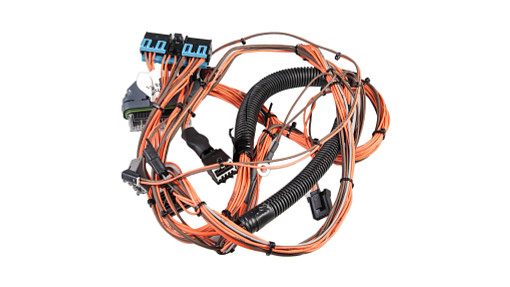
Wire harnesses are critical components in vehicles, bundling electrical wires to ensure reliable connectivity for systems like lighting, engines, and safety features. In coastal and snowy regions, exposure to salt spray, moisture, and de-icing chemicals accelerates corrosion, potentially leading to failures. This article examines the essential features that enhance corrosion resistance in wire harnesses, focusing on their application in harsh environments to maintain vehicle performance and longevity.
Materials Selection for Durability
Wire harnesses in corrosive settings rely on advanced material choices to withstand environmental stressors. Manufacturers often use corrosion-resistant alloys such as stainless steel or aluminum with protective coatings. For instance, polymers like PVC or XLPE provide insulation that resists salt-induced degradation. In snowy areas, materials must also handle thermal cycling, where repeated freezing and thawing can cause cracks. By selecting materials with high chemical resistance and low moisture absorption, wire harnesses achieve extended service life, reducing maintenance costs for vehicles operating in these challenging conditions.
Design Features to Enhance Protection
Effective design plays a pivotal role in combating corrosion by minimizing exposure to harmful elements. Features such as sealed connectors and grommets prevent water ingress, crucial in coastal fog or snowmelt. Routing strategies avoid areas prone to salt accumulation, like wheel wells, by using protective conduits or shielding. Additionally, incorporating drainage paths and breathable materials helps expel moisture, preserving electrical integrity. These design elements not only boost performance in adverse weather but also contribute to overall vehicle safety and reliability in regions with high corrosion risks.
Frequently Asked Questions
1. What causes corrosion in wire harnesses?
Corrosion typically results from exposure to salt, moisture, and chemicals, leading to oxidation that degrades metal components and insulation.
2. How does corrosion affect vehicle performance?
It can cause electrical shorts, signal loss, or complete system failures, compromising safety features and increasing repair expenses.
3. What maintenance is recommended for wire harnesses in harsh environments?
Regular inspections, cleaning with non-abrasive solutions, and applying protective sprays can help mitigate corrosion and extend harness lifespan.