Lighting Fuse Solutions That Protect Headlight And Interior Illumination Circuits From Overload Damage
News 2025-11-17
Automotive lighting systems combine powerful headlamps, ambient interior LEDs, dome lamps, and backlit dashboards on compact wiring harnesses. As vehicle platforms integrate more electronic functions, the risk of overloads and short circuits increases, especially in shared lighting branches. A properly specified lighting fuse acts as a sacrificial protector that disconnects faulted headlight and interior light circuits before wires, switches, or LED drivers overheat. This improves safety, extends component lifetime, and stabilizes overall electrical performance in passenger cars, commercial vehicles, and specialty automotive applications.
Role of the Lighting Fuse in Headlight Circuits
In headlight circuits, the lighting fuse is positioned close to the battery or power distribution box to ensure early fault interruption. It protects high-current loads such as halogen or xenon lamps, projector modules, and headlight leveling motors. When a short occurs in the lamp connector, harness, or internal lamp electronics, the fuse heats rapidly and opens the circuit, preventing excessive current from flowing through switches and control modules. Proper fuse selection considers continuous headlight current, inrush during lamp startup, ambient temperature near the engine bay, and applicable automotive standards such as ISO and SAE specifications.
Protection of Interior Lighting and Low-Voltage Electronics
Interior lighting uses lower current but more distributed loads, including dome lights, footwell illumination, infotainment backlighting, and decorative LED strips. These circuits often share branches on the same fuse, making coordinated protection essential. A correctly rated lighting fuse limits damage caused by pinched wires, corroded connectors, or incorrect aftermarket installations. By interrupting overcurrent before it reaches thin interior harnesses or PCB traces, the fuse reduces fire risk and minimizes costly trim disassembly for repairs. It also prevents voltage dips that might disturb sensitive modules such as instrument clusters and HVAC controls.
Performance Benefits and Selection Parameters
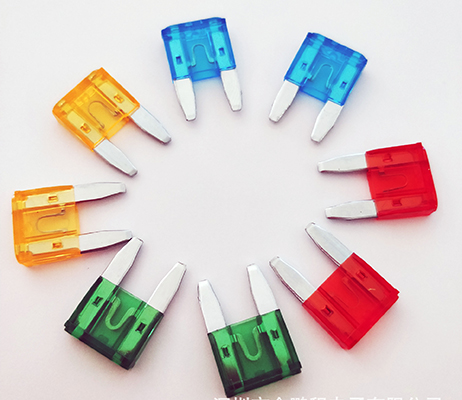
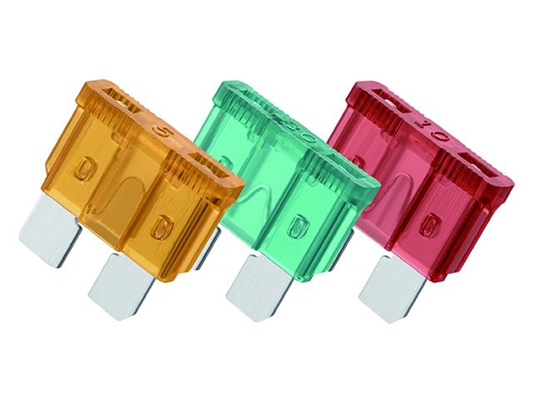
Key performance advantages of dedicated lighting fuses include fast response to short circuits, stable operation under normal load, and predictable time–current characteristics. Blade, mini-blade, and micro-fuse formats support compact integration into modern fuse boxes. Engineers evaluate rated current, voltage, I²t values, and operating temperature range to match the fuse to headlight and interior lighting loads. Using separate fuses for left and right headlamps improves redundancy, ensuring one side remains operational if a fault occurs. In LED-based systems, proper coordination between fuse ratings and constant-current drivers prevents nuisance blowing while still guaranteeing robust short-circuit protection.
Application Scenarios and Integration in Modern Vehicles
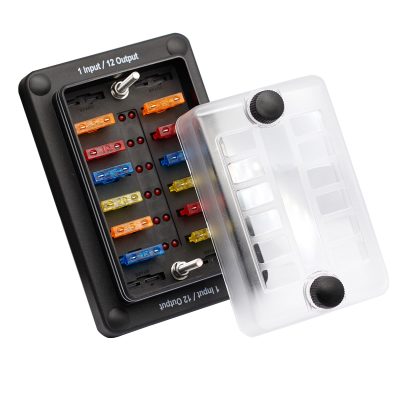
Lighting fuses are used in conventional 12 V passenger cars, 24 V commercial trucks, buses, construction equipment, and agricultural machinery. They safeguard halogen, HID, and LED headlamps, daytime running lights, cabin lighting modules, and emergency beacons. Integration typically occurs in centralized power distribution units, but auxiliary fuse blocks are also used in retrofits or body-builder applications. Designers often group lighting fuses by function, such as low beam, high beam, fog lamps, and interior circuits, to simplify diagnostics. Clear labeling and easy accessibility help technicians quickly identify blown fuses, reducing downtime and maintenance costs across vehicle fleets.
FAQ on Lighting Fuses in Headlight and Interior Circuits
1. Why is a dedicated fuse required for headlight circuits?
A dedicated fuse isolates faults in the headlight wiring or lamp assembly before they damage switches, relays, or control modules, maintaining safety and preserving other vehicle functions.
2. How does the fuse rating affect LED interior lighting performance?
The fuse rating must exceed normal operating current yet remain low enough to interrupt short circuits quickly, reducing nuisance trips while protecting slim interior harnesses and LED drivers.
3. Where should lighting fuses be installed in an automotive system?
Lighting fuses are typically installed in the main fuse box near the battery or power distribution center, as close as practical to the power source to provide efficient, upstream protection of downstream wiring.