Navigation System Fuse Technology That Protects In-Car Navigation From Power Surges
News 2025-11-17
Modern vehicles depend heavily on in-car navigation to deliver accurate routing, traffic data, and vehicle diagnostics. These systems integrate GNSS receivers, touch displays, wireless connectivity modules, and high-speed processors. As electronic density in dashboards rises, so does sensitivity to transient overvoltage and load dump events. A dedicated navigation system fuse provides targeted surge protection, isolating the navigation module from unstable conditions in the automotive power network and helping engineers meet strict safety and reliability requirements.
Key Role of the Navigation System Fuse
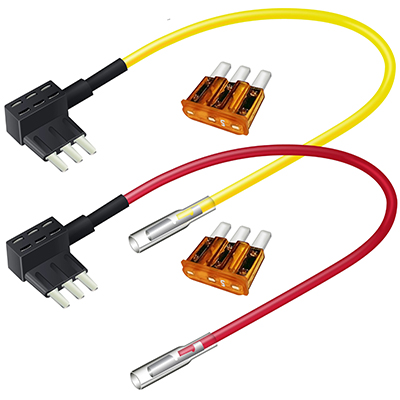
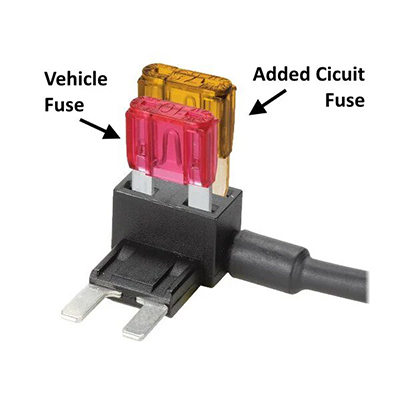
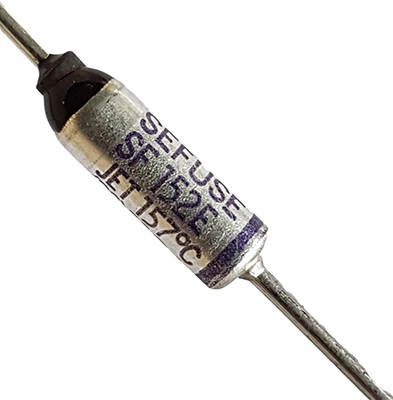
The navigation system fuse is installed in the power line feeding the head unit or dedicated navigation module. It is designed to interrupt overcurrent caused by wiring faults, short circuits, and severe voltage spikes originating from the alternator or battery. By opening the circuit within a defined time-current curve, the fuse prevents damage to GNSS chips, memory, and display drivers. Compared with using only a main automotive fuse block, a dedicated navigation fuse provides localized protection, reducing the risk of costly module replacement and improving serviceability in both OEM and aftermarket installations.
Performance Characteristics and Surge Protection
Modern navigation system fuses are engineered to withstand harsh automotive conditions, including wide operating temperatures and repeated transient events. Typical features include precise rated current, fast interruption capability, and high breaking capacity to handle short-circuit currents present in 12 V and 24 V systems. When combined with TVS diodes and transient filters, the fuse forms a robust protection chain against ISO 7637 and ISO 16750 surge profiles. Low contact resistance promotes stable voltage delivery to sensitive ICs, while carefully tuned time-delay behavior avoids nuisance openings during normal inrush current when the navigation screen and backlight power up.
Application Scenarios in Modern Vehicles
Navigation system fuses are now standard in passenger cars, commercial vehicles, and construction machinery equipped with integrated infotainment platforms. They are widely used in central head units, digital instrument clusters, rear-seat entertainment modules, and telematics control units that share navigation functions. In premium electric vehicles, where battery management and navigation are tightly interconnected, separate fusing of the navigation power rail prevents disturbances in the infotainment domain from propagating to critical control modules. In aftermarket navigation or retrofit head units, dedicated fuses simplify integration into existing wiring harnesses and help installers comply with OEM-level safety expectations.
Advantages for Design, Maintenance, and Safety
Using a navigation system fuse delivers multiple benefits throughout the vehicle life cycle. During design, it allows engineers to define clear protection zones, improving EMC performance and easing compliance testing. During operation, a properly selected fuse mitigates thermal stress in the navigation module, extending component lifetime and lowering field failure rates. When a fault occurs, technicians can quickly identify and replace a blown fuse instead of diagnosing complex board-level damage, which reduces maintenance cost and vehicle downtime. Enhanced protection of the navigation unit also helps maintain continuous access to route guidance and safety-related information, supporting a safer and more comfortable driving experience.
1. Why does an in-car navigation unit need its own fuse?
A dedicated fuse isolates the navigation module from wiring faults and surge events in the vehicle power network, preventing damage to sensitive electronic components.
2. How do I select a fuse rating for a navigation system?
Engineers typically choose a fuse based on the steady-state current of the navigation module, expected inrush current, and the vehicle’s short-circuit capability, following the manufacturer’s datasheet and automotive test standards.
3. Can a navigation system fuse improve serviceability?
Yes, a separate fuse makes it easier to diagnose and repair power-related faults because technicians can visually check and replace the fuse without disassembling the navigation hardware.