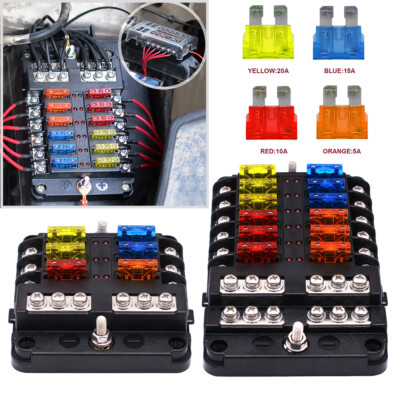
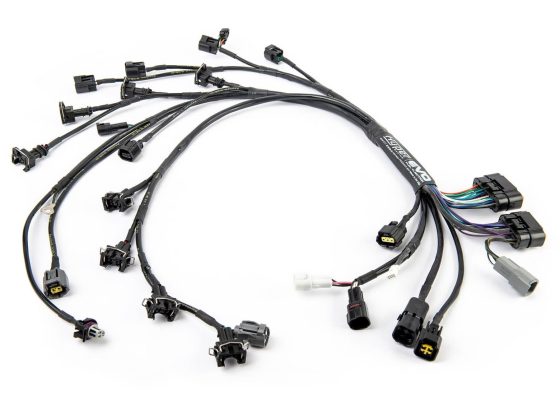
Optimized Wire Harness Designs for Automotive Interior Comfort System Electronics
News 2025-10-31
In the automotive industry, interior comfort systems are key to improving driver and passenger satisfaction, featuring elements like climate control, heated seats, and infotainment. These systems rely on intricate electronic networks where wire harnesses serve as the backbone for power and data transmission. Optimizing wire harness designs addresses challenges such as space constraints, weight reduction, and reliability, ensuring that comfort features operate flawlessly. Through strategic engineering, these designs enhance overall vehicle performance, support advanced technologies, and meet regulatory standards for safety and efficiency.
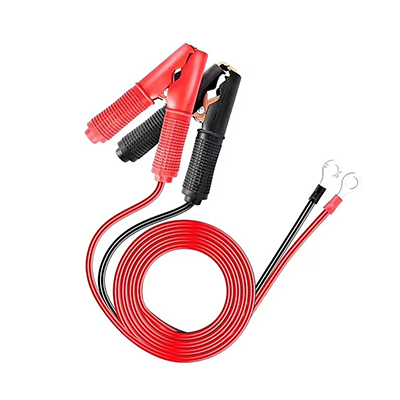
Application Scenarios
Optimized wire harnesses are critical in diverse automotive settings. In electric vehicles, they connect battery systems to comfort components, enabling efficient energy use without safety risks. For luxury models, these harnesses integrate complex features like ambient lighting and massage functions, adapting to tight spaces for better aesthetics and functionality. In family-oriented vehicles such as SUVs, they handle robust demands from climate and entertainment systems, ensuring durability in varying environmental conditions while maintaining seamless connectivity.
Performance Advantages
These designs deliver notable performance gains by reducing electromagnetic interference, which preserves signal integrity in sensitive comfort systems. Material innovations lead to lighter assemblies, boosting fuel efficiency and extending vehicle range in electric models. Improved resistance to wear from heat, vibration, and moisture enhances longevity, minimizing downtime and repair costs. Such advancements result in a more responsive and dependable interior environment, elevating the driving experience through consistent operation and reduced failure rates.
Frequently Asked Questions
1. What factors drive wire harness optimization?
Key factors include material selection, routing strategies, and connector reliability to boost efficiency and durability in automotive use.
2. How do these designs benefit vehicle weight?
They use compact, high-strength materials to cut down weight, improving fuel economy and handling in various vehicle types.
3. What impact do they have on system reliability?
Optimized designs reduce connection points and enhance protection, leading to fewer malfunctions and longer service life for comfort systems.